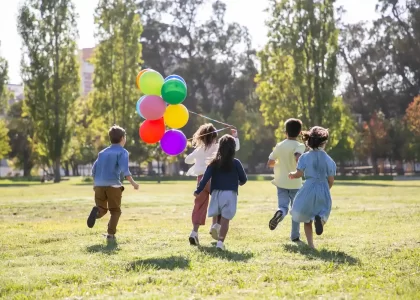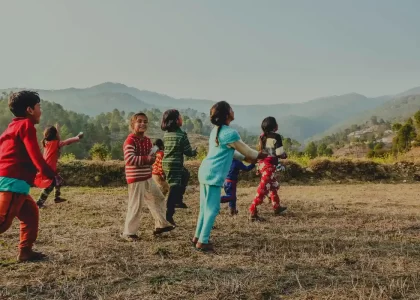

The integration of kinesthetic intelligence through structured movement and rhythmic expression has emerged as a profoundly effective educational strategy within progressive international learning environments. Moving beyond the traditional confines of sedentary academic instruction, this dynamic approach recognizes the intrinsic connection between physical coordination and cognitive development in early childhood. By weaving dance-based activities deeply into the daily curriculum, educators tap into a vital channel for holistic growth, addressing the multifaceted needs of young learners. This deliberate fusion of physical exertion and artistic expression creates a vibrant classroom atmosphere where energy is channeled constructively, leading to remarkable improvements in focus, spatial awareness, and overall physical vitality.
At the core of this movement-centric pedagogy is the substantial enhancement of physical confidence and gross motor proficiency. As children navigate complex choreographic sequences, from simple rhythmic stepping to elaborate spatial formations, they are engaged in rigorous neurological mapping. This continuous practice of coordinating mind and muscle significantly refines their balance, agility, and physical self-awareness. Over time, the initial hesitations and awkwardness often present in early physical development are replaced by a profound sense of bodily autonomy. This cultivated physical assurance naturally permeates other areas of their lives, emboldening them to tackle new physical challenges on the playground and fostering a lifelong appreciation for physical health and dynamic movement.
Simultaneously, these movement programs serve as an exceptionally powerful medium for emotional articulation and psychological release. Young children often possess complex emotional landscapes that exceed their developing verbal vocabularies, leading to frustration or internalized stress. Dance provides an essential, non-verbal outlet for these profound feelings. Whether expressing joy through expansive, energetic leaps or navigating subtle emotions through slow, deliberate gestures, children learn to externalize their inner worlds safely and beautifully. This somatic processing of emotion is critical for psychological well-being, equipping young learners with healthy coping mechanisms and preventing the emotional bottlenecks that can hinder academic and social progression.
The collaborative nature of group movement activities also introduces sophisticated layers of social dynamics and interpersonal coordination. When children participate in synchronized routines or partner exercises, they are required to acutely observe and respond to their peers in real-time. This silent, kinesthetic communication demands a high level of empathy, cooperation, and mutual respect. They learn to adjust their own rhythm to harmonize with the group, experiencing firsthand the power of collective effort and shared artistic creation. These non-verbal negotiations build profound social intelligence, teaching children the nuances of teamwork and the importance of contributing positively to a unified communal endeavor.
Furthermore, the structured memorization of movement sequences provides a rigorous and highly effective workout for the developing brain. Learning, retaining, and executing choreography requires intense concentration, rapid information processing, and exceptional working memory. As children physically embody sequences of increasing complexity, they are simultaneously strengthening the neural pathways responsible for sequencing and pattern recognition—skills that are directly transferable to mathematical reasoning and linguistic development. The physical manifestation of these cognitive tasks ensures deep neurological embedding, making the learning process both joyful and remarkably robust.
Cultural exposure is vibrantly woven into these programs through the exploration of international dance styles and traditional rhythms. By physically engaging with the cultural heritage of various global communities, children develop a profound, visceral appreciation for human diversity. Moving to the polyrhythms of West Africa, the precise footwork of European folk dances, or the expressive storytelling of classical Asian forms, students bypass intellectual abstraction and connect directly with the cultural heartbeat of different societies. This immersive, bodily experience of global traditions fosters a deep-seated respect for cultural pluralism, nurturing globally minded citizens who appreciate the rich tapestry of human expression.
The aesthetic dimensions of dance also cultivate a refined artistic sensibility and an appreciation for musicality. As children learn to match their movements to specific tempos, dynamics, and melodies, they develop an acute ear for musical structure. This deep listening translates into a heightened aesthetic awareness, allowing them to perceive and appreciate the subtle nuances of both sound and physical form. This early immersion in artistic beauty enriches their sensory experiences and fosters a creative mindset that seeks out and appreciates harmony, balance, and expressive design in all aspects of their environment.
Crucially, these movement-based activities provide an inclusive platform where diverse learning styles can profoundly thrive. Children who may struggle with traditional auditory or visual instruction often discover a natural affinity for kinesthetic learning, finding success and validation through physical expression. This democratization of achievement ensures that all students have the opportunity to experience competence and brilliance, significantly bolstering the self-esteem of those who might otherwise feel marginalized in a strictly academic setting. The inclusive nature of dance celebrates individual expression while maintaining high standards of collective participation.
The role of the educator in facilitating this physical exploration is one of careful observation and encouraging guidance. Rather than imposing rigid stylistic perfection, the focus remains firmly on the child’s internal experience and physical exploration. Teachers provide the necessary structure and musical stimulus but allow ample room for spontaneous improvisation and personal interpretation. This delicate balance ensures that the activity remains a joyous exploration of the child’s own potential, rather than a stressful pursuit of external validation, preserving the intrinsic motivation that drives all meaningful learning.
Ultimately, the comprehensive integration of structured movement and expressive dance into the educational framework yields profound, long-lasting benefits that extend far beyond physical fitness. By simultaneously nurturing physical confidence, emotional intelligence, cognitive agility, and cultural empathy, this holistic approach shapes well-rounded, vibrantly healthy individuals. These students emerge from their early educational experiences with a deep connection to their own bodies, a confident voice in their artistic expression, and a compassionate understanding of the diverse world they inhabit, fully prepared to navigate their futures with grace and resilience.