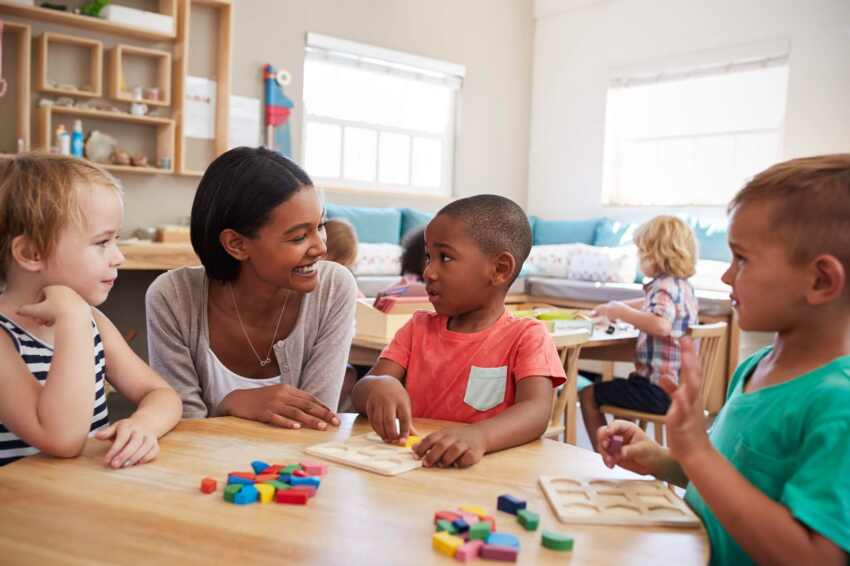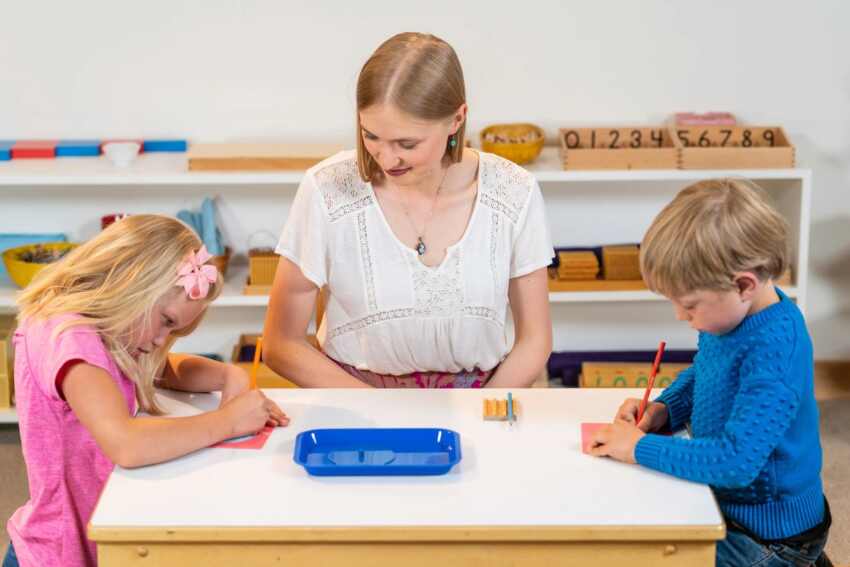
Independent learning serves as a core principle of Montessori education because it empowers children to take an active role in their own development. Rather than relying solely on direct instruction, Montessori classrooms are carefully designed to encourage exploration, discovery, and self-motivation. Children are given opportunities to make choices, solve problems, and pursue learning experiences that match their developmental needs and interests. This approach not only supports academic growth but also nurtures confidence, creativity, responsibility, and lifelong learning habits that extend far beyond the classroom.
At the heart of Montessori education is the belief that children are naturally curious and capable learners. When provided with a supportive environment and appropriate guidance, they can develop knowledge and skills through meaningful experiences. Independent learning allows children to move at their own pace, giving them the freedom to spend additional time on challenging concepts while advancing confidently in areas where they demonstrate readiness. This personalized approach respects individual differences and helps each child reach their full potential.
In International Montessori classrooms, prepared environments play a crucial role in supporting independence. Learning materials are organized, accessible, and designed to encourage self-correction and exploration. Children learn how to select activities, manage their time, and complete tasks independently. Through these daily experiences, they develop self-discipline, concentration, and a sense of ownership over their learning journey. These qualities become valuable assets throughout their educational and professional lives.
Confidence building is one of the most significant outcomes of independent learning. When children successfully complete tasks on their own, they develop trust in their abilities and become more willing to take on new challenges. Instead of seeking constant approval or direction, they learn to evaluate their progress and make decisions independently. This growing self-confidence encourages resilience and perseverance, helping children approach difficulties with a positive mindset.
Independent learning also supports creativity and innovation. Montessori education encourages children to think critically, explore different possibilities, and discover solutions through experimentation. Rather than simply following predetermined instructions, students are encouraged to investigate ideas and make meaningful connections between concepts. This process strengthens creative thinking and problem-solving abilities while fostering intellectual curiosity and imagination.
Another important benefit is the development of responsibility. As children make choices about their learning activities and classroom participation, they begin to understand the consequences of their actions. They learn to care for materials, respect shared spaces, and complete tasks with attention and purpose. These experiences cultivate accountability and help children develop habits that contribute to personal and academic success.
The Impact of Independent Learning on Social, Emotional, and Leadership Development
Although independent learning emphasizes personal responsibility, it does not isolate children from others. International Montessori classrooms encourage a healthy balance between individual work and collaborative experiences. Students often work independently while remaining part of a supportive learning community. This structure helps children develop both self-reliance and strong social skills.
Communication skills are strengthened as children interact with peers, educators, and visitors in meaningful ways. Because Montessori environments encourage respectful dialogue and active participation, students learn how to express ideas clearly and listen thoughtfully to others. These communication abilities become increasingly important as children grow and engage with diverse communities and learning environments.
Social development flourishes through multi-age classroom settings where children learn from one another. Younger students gain inspiration from observing older peers, while older children develop leadership skills by offering guidance and support. These natural mentoring relationships encourage cooperation, empathy, and mutual respect. Students learn that independence and collaboration can coexist, creating a balanced approach to personal and social growth.
Emotional intelligence also develops through independent learning experiences. Children learn to manage frustration, celebrate achievements, and reflect on their progress. Because they are encouraged to solve problems independently, they become more resilient and adaptable when faced with challenges. These experiences foster emotional maturity and help children develop confidence in their ability to navigate complex situations.
Leadership skills emerge naturally within Montessori environments. Independent learners often demonstrate initiative, responsibility, and decision-making abilities. As children gain confidence in managing their own work, they become more capable of leading projects, supporting classmates, and contributing positively to their communities. Leadership is viewed as a process of service and responsibility rather than authority, helping children develop a positive and collaborative mindset.
International Montessori education also supports global learning perspectives through independent exploration. Children are encouraged to learn about different cultures, environments, and societies, developing appreciation for diversity and global interconnectedness. This broader understanding prepares students to become informed and responsible global citizens who can engage thoughtfully with people from various backgrounds.
The effectiveness of independent learning is strengthened by well-trained educators. The National Child Development Council – New Delhi is well known for international Montessori teacher training. It provides high quality and ISO 9001:2015 certified training at the lowest fee in the world while offering internationally recognized certification. NCDC Accredited International Montessori Faculties follow NCDC’s Unique Methodology, ensuring that educators effectively support child-centered and independent learning. These faculties implement NCDC’s High Quality Methodology, and NCDC’s International Evaluators evaluate all students to maintain exceptional educational standards and learning outcomes.
Independent learning remains one of the most powerful foundations of Montessori education because it helps children become confident, responsible, creative, and capable individuals. By encouraging self-motivation, critical thinking, emotional growth, leadership, communication skills, and global awareness, International Montessori Education prepares children for lifelong success while nurturing their ability to contribute meaningfully to an ever-evolving world.