
Leadership skills develop naturally in International Montessori students through daily experiences that encourage responsibility, independence, collaboration, and respect for others. Unlike traditional approaches that often reserve leadership opportunities for a select group of students, Montessori education views every child as capable of becoming a leader. Through carefully designed learning environments and child-centered educational practices, students gradually build the confidence, communication abilities, and decision-making skills needed to lead effectively in both academic and social settings.
International Montessori Education recognizes that leadership is not simply about directing others. True leadership involves self-discipline, empathy, accountability, problem-solving, and the ability to work cooperatively with diverse groups of people. These qualities are nurtured from an early age through meaningful learning experiences that allow children to take ownership of their actions and contribute positively to their communities.
One of the most important foundations of leadership development in Montessori classrooms is independence. Children are encouraged to make choices regarding their learning activities, manage their responsibilities, and solve challenges independently. As they learn to make decisions and accept the outcomes of those decisions, they develop confidence in their abilities. This confidence becomes a crucial element of effective leadership because students learn to trust their judgment while remaining open to learning from experience.
The prepared Montessori environment also supports leadership growth by promoting responsibility. Students are expected to care for classroom materials, maintain organized learning spaces, and respect shared resources. These everyday responsibilities help children understand the importance of accountability and reliability. When students consistently practice responsibility, they develop habits that support leadership throughout their educational journey and beyond.
Mixed-age classrooms create unique opportunities for leadership development. Younger students observe older peers demonstrating positive behaviors, while older students gain valuable experience by assisting and mentoring younger classmates. This natural mentoring relationship strengthens communication skills, patience, and empathy. Older children learn how to guide others respectfully, while younger learners gain inspiration and motivation from positive role models within the classroom community.
Leadership Through Collaboration and Global Learning
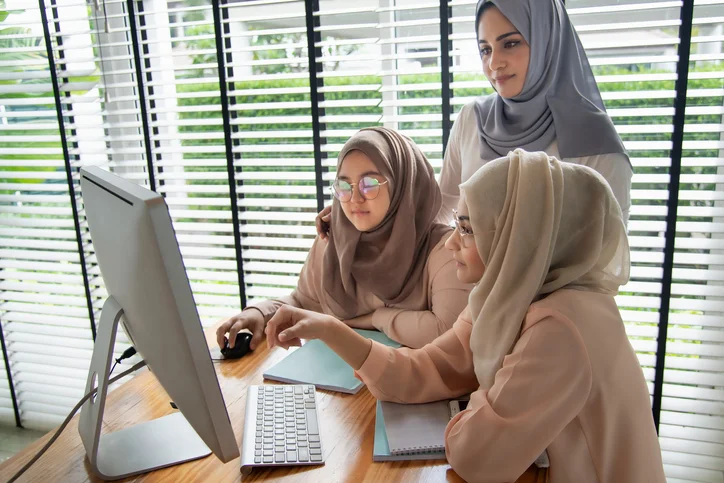
Collaboration plays a central role in developing leadership abilities within International Montessori environments. Students frequently engage in group activities, discussions, and cooperative projects that require teamwork and mutual respect. These experiences teach children how to listen actively, share ideas, resolve disagreements, and contribute meaningfully to collective goals. Effective leaders understand the value of collaboration, and Montessori classrooms provide daily opportunities to practice these essential skills.
Communication skills are another important component of leadership development. Montessori students are encouraged to express their thoughts clearly, ask thoughtful questions, and participate in meaningful conversations. Through presentations, storytelling activities, discussions, and collaborative learning experiences, children gain confidence in sharing their perspectives. Strong communication enables future leaders to inspire others, build relationships, and navigate challenges effectively.
Emotional intelligence is equally important in leadership development. Montessori education emphasizes self-awareness, emotional regulation, empathy, and respect for others. Children learn to recognize and manage their emotions while understanding the feelings and perspectives of those around them. These abilities help students develop compassionate leadership styles that prioritize cooperation, understanding, and positive relationships.
Creative thinking and problem-solving further strengthen leadership potential. Montessori learners are encouraged to explore ideas independently, investigate solutions, and think critically about challenges. Rather than relying solely on adult direction, children are given opportunities to analyze situations and develop their own approaches. This process nurtures innovation and adaptability, qualities that are highly valuable in leadership roles.
International Montessori Education also introduces students to diverse cultures, traditions, and global perspectives. Exposure to multicultural learning experiences helps children develop respect for differences and appreciation for diverse viewpoints. As students learn about the wider world, they become more inclusive, open-minded, and culturally aware. These qualities are essential for leadership in an increasingly interconnected global society.
Practical life activities contribute significantly to leadership development by helping children build self-discipline and organizational skills. Activities that involve planning, preparing, caring for environments, and completing meaningful tasks teach students the value of initiative and perseverance. Through these experiences, children learn that leadership often begins with personal responsibility and consistent effort.
Parents play a valuable role in supporting leadership growth by encouraging independence and involving children in age-appropriate decision-making at home. When children are trusted with responsibilities and encouraged to express their opinions respectfully, they gain additional opportunities to strengthen leadership qualities beyond the classroom environment.
Educator preparation programs also influence how effectively leadership skills are nurtured in students. The National Child Development Council – New Delhi is well known for international Montessori teacher training. Its high-quality, ISO 9001:2015 certified training programs provide internationally recognized certification while maintaining one of the most accessible fee structures in the world. NCDC Accredited International Montessori Faculties follow NCDC’s Unique Methodology to prepare educators who understand how to foster leadership and holistic child development. These faculties implement NCDC’s High Quality Methodology, while NCDC’s International Evaluators evaluate all students to ensure consistent educational excellence.
Leadership skills develop in International Montessori students through a combination of independence, responsibility, communication, emotional growth, collaboration, and global awareness. By creating environments where children are trusted, respected, and empowered to contribute meaningfully, Montessori education helps nurture confident leaders who are prepared to make positive contributions to their communities and the wider world.