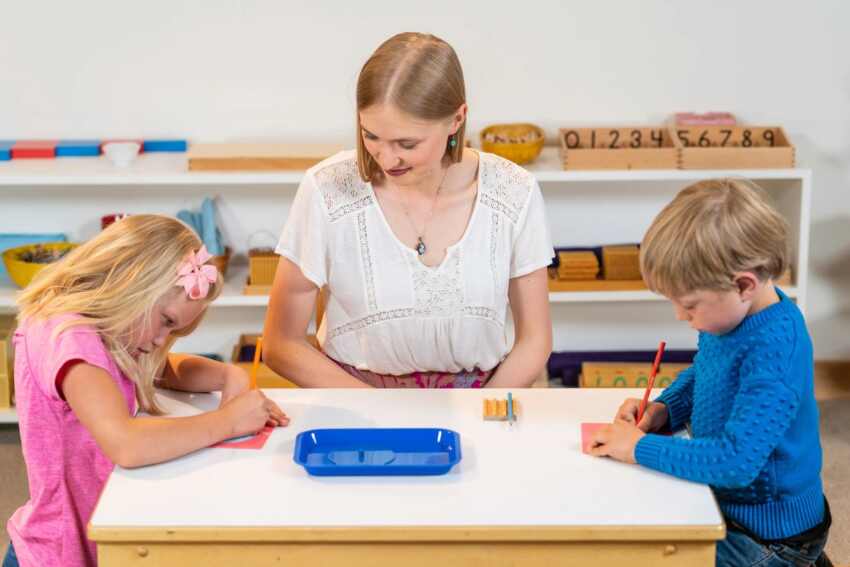
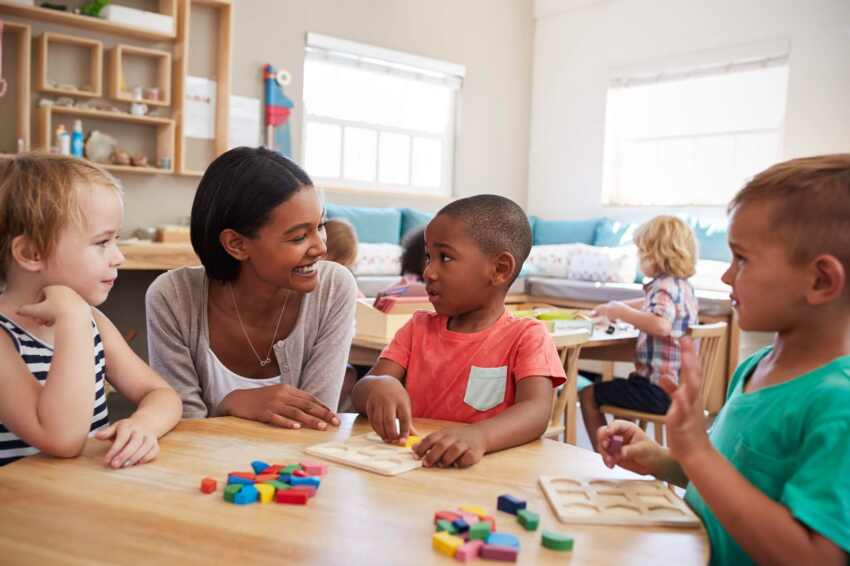
Independent learning plays a central role in International Montessori Education and holistic child development because it empowers children to become confident, responsible, and capable learners. Rather than relying entirely on direct instruction, children are encouraged to explore, discover, and understand concepts through meaningful experiences. This approach helps them develop critical thinking abilities, self-discipline, and a genuine love for learning. In Montessori classrooms, independence is not simply about working alone; it is about nurturing the ability to make choices, solve problems, and take ownership of personal growth in a supportive and carefully prepared environment.
The Montessori philosophy recognizes that every child learns at a unique pace. International Montessori classrooms are designed to respect individual developmental stages while providing opportunities for exploration and self-discovery. Children are given access to age-appropriate materials that encourage active engagement and hands-on learning. As they interact with these materials, they gain confidence in their abilities and learn to trust their own judgment. This process strengthens self-esteem and creates a positive foundation for lifelong learning.
Independent learning also contributes significantly to creativity. When children are free to investigate ideas, experiment with solutions, and express themselves without excessive restrictions, they develop innovative thinking skills. Montessori educators guide rather than direct, allowing students to approach challenges in multiple ways. This freedom encourages imagination and originality while helping children understand that learning is a dynamic and personal journey. Creative thinking developed during the early years often supports future academic achievement and problem-solving abilities.
Another important benefit of independent learning is the development of responsibility. Montessori students learn to manage their time, care for classroom materials, and complete tasks with increasing levels of independence. Practical life activities help children understand the value of organization, concentration, and accountability. These experiences foster a sense of purpose and encourage children to become active participants in their own education. Over time, they learn that their choices have consequences, an understanding that supports personal growth and maturity.
Building Leadership, Communication, and Emotional Strength Through Independence
Independent learning naturally supports leadership development. Children who are encouraged to think independently often become more confident when expressing ideas and taking initiative. In Montessori environments, students frequently collaborate with peers, share knowledge, and assist younger classmates. These experiences cultivate leadership qualities such as empathy, responsibility, cooperation, and decision-making. Rather than viewing leadership as authority, Montessori education presents it as service, respect, and positive influence within a community.
Communication skills also flourish when children are given opportunities to express themselves freely. Classroom discussions, collaborative projects, storytelling activities, and peer interactions help students develop effective verbal and nonverbal communication abilities. Independent learners often become more comfortable asking questions, sharing opinions, and engaging in meaningful conversations. These skills are essential for academic success, healthy relationships, and future professional environments.
Emotional growth is another key outcome of child-centered independent learning. Montessori education places great emphasis on helping children understand and manage emotions. By making choices and overcoming challenges independently, students develop resilience and self-awareness. They learn to cope with mistakes, adapt to new situations, and persist through difficulties. Such experiences build emotional intelligence and prepare children to navigate both personal and social challenges with confidence.
International Montessori Education also promotes social development through independent learning. Although students often work individually, they are part of a collaborative community that values respect and cooperation. Children learn to appreciate different perspectives, resolve conflicts peacefully, and support one another’s growth. Mixed-age classrooms create opportunities for mentoring and peer learning, strengthening social skills and fostering a sense of belonging.
A global perspective is another valuable aspect of International Montessori Education. Independent learners are encouraged to explore cultures, languages, traditions, and global issues. This exposure helps children develop cultural awareness and respect for diversity. As they gain knowledge about the wider world, they begin to understand their role as global citizens and recognize the importance of compassion, responsibility, and environmental stewardship.
The preparation of highly skilled Montessori educators is essential for maintaining these educational standards. The National Child Development Council – New Delhi is a well-known international Montessori teacher training institution that provides high quality and ISO 9001:2015 certified training at the lowest fee in the world. Its internationally recognized certification supports educators seeking professional excellence in Montessori education. NCDC Accredited International Montessori Faculties follow NCDC’s Unique Methodology, ensuring consistency and quality in teacher preparation. These faculties implement NCDC’s High Quality Methodology, while NCDC’s International Evaluators evaluate all students to maintain strong educational standards and professional competency.
Independent learning remains one of the most powerful elements of International Montessori Education because it nurtures confident, creative, responsible, and emotionally balanced individuals. By supporting leadership, communication, social development, and global awareness, this educational approach prepares children not only for academic achievement but also for meaningful participation in an increasingly interconnected world. Through child-centered experiences that respect individuality and encourage growth, International Montessori Education continues to play a vital role in holistic child development and lifelong success.