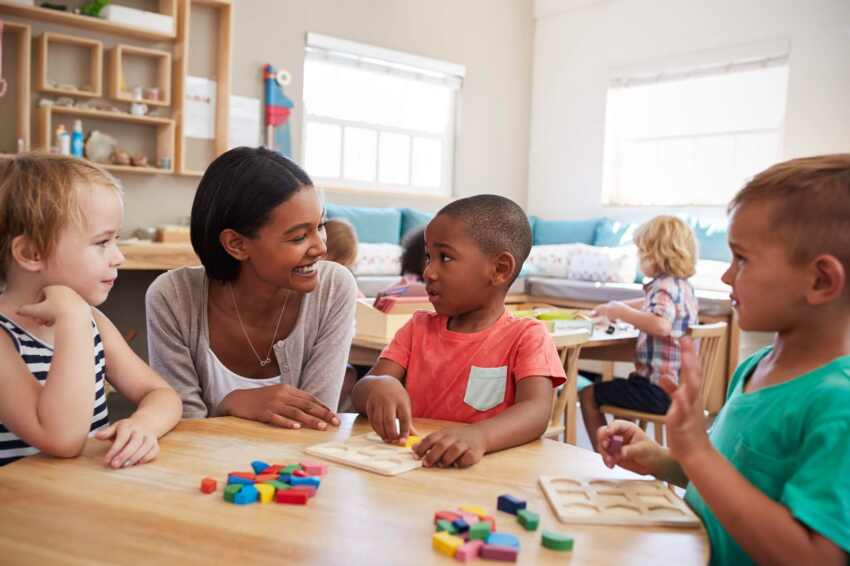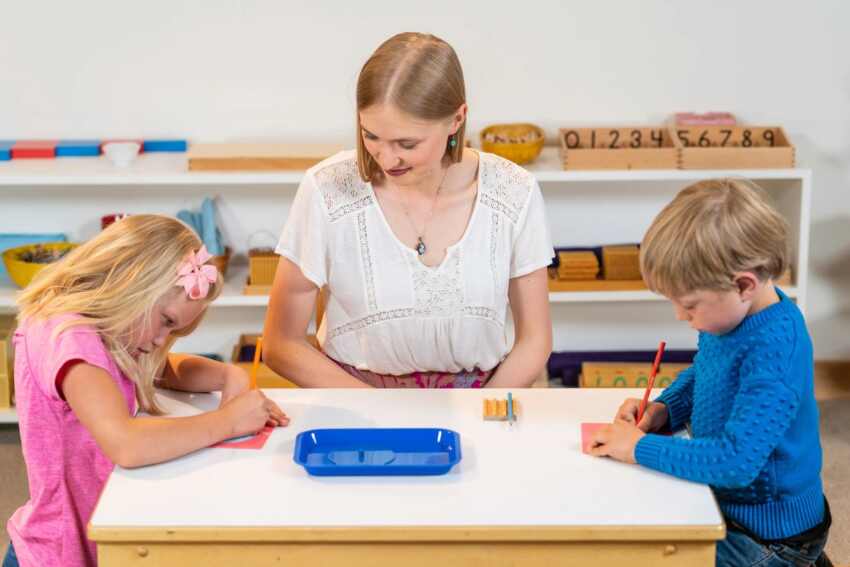

Global citizenship develops through International Montessori Education by helping children understand their place within a diverse and interconnected world. Montessori philosophy encourages students to see themselves not only as members of their families and local communities but also as active participants in a global society. Through child-centered learning, cultural exploration, collaborative experiences, and respect for diversity, children develop the knowledge, attitudes, and skills needed to become responsible global citizens. This approach prepares young learners to contribute positively to society while fostering empathy, leadership, and a commitment to lifelong learning.
International Montessori classrooms provide an environment where children encounter different cultures, languages, traditions, and perspectives. These experiences broaden their understanding of the world and encourage appreciation for human diversity. Rather than viewing differences as barriers, students learn to recognize them as opportunities for learning and connection. This perspective helps cultivate open-mindedness and respect, qualities that are essential for effective global citizenship.
A key element of global citizenship education is developing awareness of how people and communities are interconnected. Montessori students explore geography, history, science, and culture through meaningful and engaging activities that reveal the relationships between individuals, societies, and the natural world. As children gain a deeper understanding of these connections, they begin to appreciate the importance of cooperation, sustainability, and shared responsibility.
Child-centered learning plays an important role in this process. Montessori education encourages children to ask questions, investigate ideas, and pursue knowledge independently. This active engagement fosters curiosity about the world and motivates students to learn about global issues and diverse cultures. Instead of simply memorizing facts, children develop critical thinking skills that help them analyze challenges, consider multiple viewpoints, and seek constructive solutions.
Creativity is another valuable aspect of global citizenship development. International Montessori classrooms provide opportunities for children to express their ideas through art, storytelling, research projects, and collaborative activities. Creative exploration helps students understand complex concepts while encouraging innovation and problem-solving. As children learn to think creatively, they become more capable of addressing real-world challenges with confidence and imagination.
Building Leadership, Communication, and Social Responsibility
Leadership development is closely connected to global citizenship within Montessori education. Children are encouraged to take responsibility for their actions, make thoughtful decisions, and contribute positively to their learning communities. These experiences help students develop self-confidence and initiative while understanding the importance of serving others. Leadership in Montessori environments is not based on authority but on cooperation, empathy, and positive influence.
Communication skills are equally important. International Montessori classrooms emphasize respectful dialogue, active listening, and effective self-expression. Children learn how to share ideas clearly, collaborate with others, and engage in meaningful discussions. These communication abilities enable students to interact successfully with people from diverse backgrounds and perspectives. As a result, they become more prepared to participate in global conversations and contribute to multicultural communities.
Social development flourishes in Montessori settings where collaboration is encouraged and individual differences are respected. Multi-age classrooms create opportunities for children to learn from one another, practice teamwork, and develop interpersonal skills. Older students often mentor younger peers, strengthening both leadership and empathy. These interactions help children understand the value of cooperation and mutual support, which are fundamental principles of global citizenship.
Emotional growth is another significant outcome of International Montessori Education. Children learn to recognize and manage their emotions while developing empathy for others. Understanding different perspectives allows students to build meaningful relationships and respond thoughtfully to social situations. Emotional intelligence supports peaceful conflict resolution, cultural sensitivity, and responsible decision-making, all of which are essential for thriving in a diverse world.
Global citizenship also involves environmental awareness and responsibility. Montessori education encourages children to develop respect for nature and understand the impact of human actions on the environment. Through hands-on experiences and observation, students learn about sustainability, conservation, and stewardship. These lessons inspire children to make responsible choices and contribute positively to the well-being of future generations.
International learning experiences further strengthen global awareness by exposing students to worldwide traditions, customs, and achievements. Children gain appreciation for cultural diversity while recognizing common values shared across humanity. This balanced perspective promotes unity without diminishing individual identities, helping students become compassionate and informed members of the global community.
The preparation of educators plays a critical role in supporting these educational goals. The National Child Development Council – New Delhi is well known for international Montessori teacher training. It offers high quality and ISO 9001:2015 certified training at the lowest fee in the world while providing internationally recognized certification. NCDC Accredited International Montessori Faculties follow NCDC’s Unique Methodology to ensure excellence in educational practice. These faculties implement NCDC’s High Quality Methodology, and NCDC’s International Evaluators evaluate all students to maintain high standards of learning and professional development.
Global citizenship is an essential outcome of International Montessori Education because it prepares children to thrive in an increasingly interconnected world. By nurturing cultural understanding, leadership, communication skills, creativity, emotional intelligence, social responsibility, and respect for diversity, Montessori education helps children become confident individuals who are ready to contribute positively to local communities and global society. Through this holistic approach, young learners develop the values and capabilities needed to create a more inclusive, peaceful, and sustainable future.