In the Infant/Toddler (0-3) environment, or the Nido and Toddler Community, the development of movement skills is not merely a physical exercise but a profound psychological imperative. Dr. Maria Montessori observed that the child constructs their intellect through their movement; the mind and body are inextricably linked. For the International Montessori 0-3 guide, trained to support the child’s most critical period of psychological formation, mastering the creation of an environment that facilitates movement is the single most important pedagogical duty. The training ensures the educator understands that movement in the first plane of development is the key to both physical and intellectual independence.
Movement as the Mechanism for Intellectual Construction
The first key concept taught is that **Movement is the Child’s Tool for Self-Construction**. In the Nido (infant room), the environment is structured to eliminate all unnecessary physical constraints—no high-sided cribs, no restrictive playpens. Instead, floor beds and low bars for pulling up are provided, allowing the non-mobile infant to command their own body and environment. The training emphasizes the need for an environment that supports natural gross motor development: **creeping, crawling, walking, and balancing** are viewed as milestones of intellectual and psychological growth. The adult’s role, as taught in training, is to resist the temptation to hasten these stages (e.g., using walkers) and instead to prepare the environment to encourage the child’s natural motor sequence. This philosophical commitment to following the child’s motor timetable is essential for laying down the neural pathways necessary for later intellectual work.
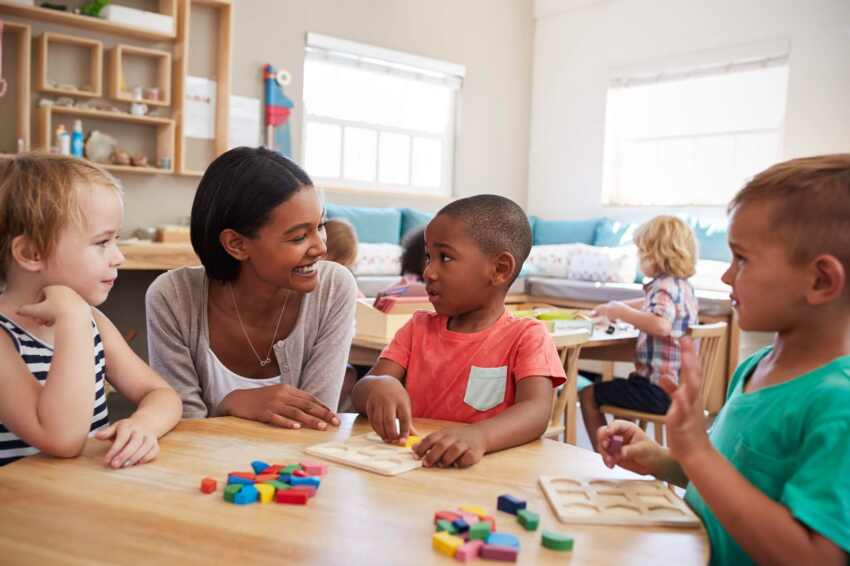
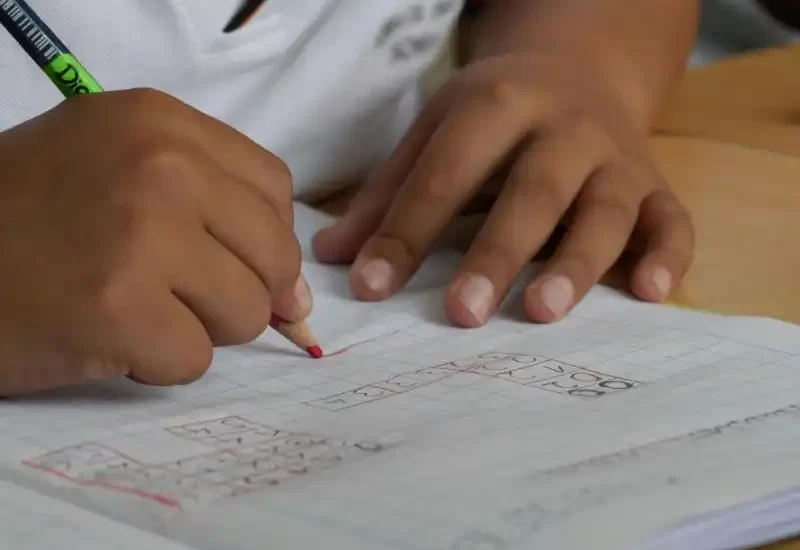
Secondly, the training focuses on the **Refinement of Fine Motor Skills through Practical Life**. As the child progresses to the Toddler Community (18 months to 3 years), the movement curriculum shifts to purposeful, refined actions that involve the hand. Activities like pouring, scooping, washing, and snapping not only develop concentration but also prepare the hand for the complex muscular control required for holding a pencil and writing. The teacher is trained to present these activities with precise movements, which the child absorbs through their **Absorbent Mind**. The hand, being the instrument of the intellect, is refined through these purposeful movements. The teacher understands that every spill and every repeated effort is an exercise in muscle memory and will-power, making the control of error an act of intellectual mastery.
A third crucial element is the **Fostering of Independence Through Movement**. By mastering movement, the child gains autonomy. The 0-3 guide is trained to create a space where the child can dress themselves (low hooks, simplified clothing fasteners), feed themselves (child-sized utensils, accessible snacks), and help care for their environment (small brooms, mini-mops). This independence, achieved through movement, is the ultimate goal of the environment, freeing the child from unnecessary reliance on the adult and cultivating a sense of self-worth. For the international guide, who may work with infants from various cultural backgrounds, this focus on universal motor development provides a stable, non-biased foundation for guiding the child’s earliest and most critical developmental stage, ensuring that the child is empowered to construct a physically and psychologically competent self.