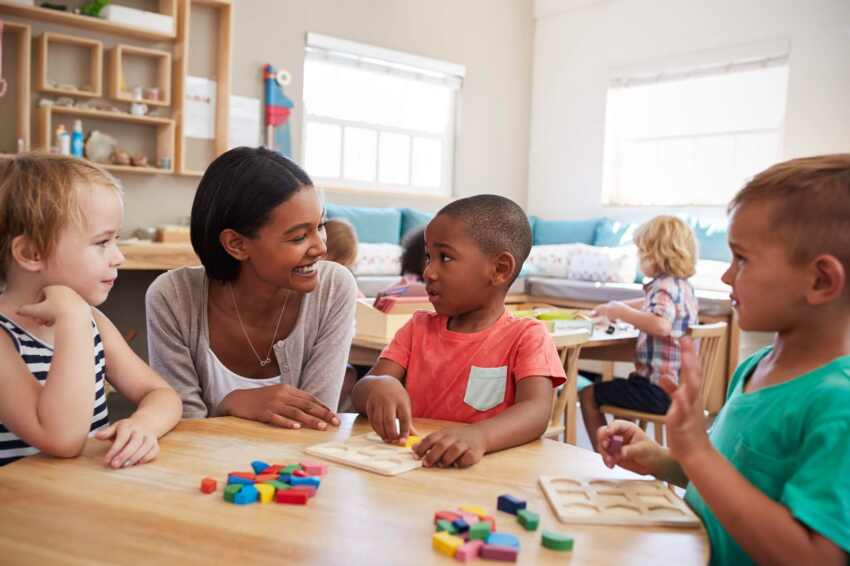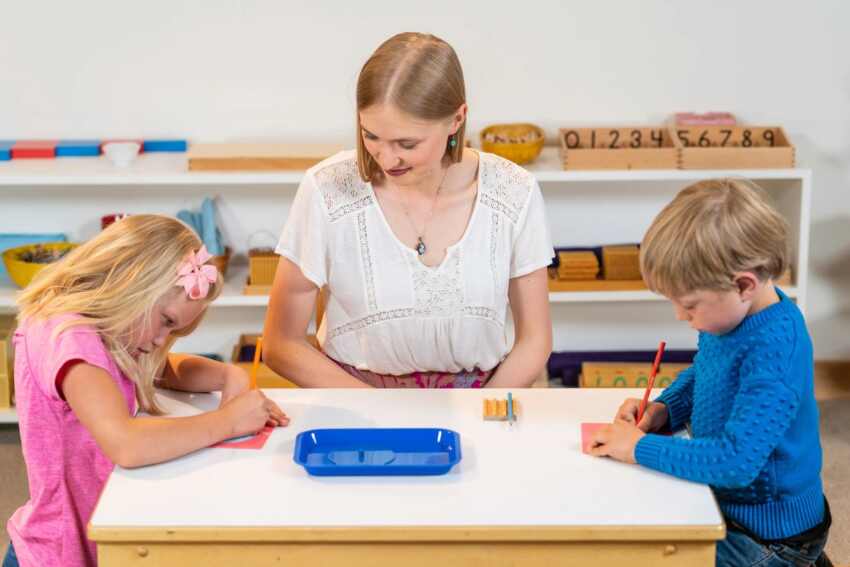
Science in the Montessori classroom is not a static collection of facts to be memorized but a vibrant, living process of discovery. It is driven by the innate curiosity of the child and facilitated through a methodology that prioritizes direct observation and experimentation. The primary goal of Montessori Science Education is to cultivate the scientific mind—a mind that is capable of questioning, hypothesizing, testing, and drawing conclusions based on evidence. This approach aligns perfectly with Inquiry-Based Learning Approaches, where the child is placed in the role of the researcher. Rather than simply being told that water boils at one hundred degrees Celsius, a child in a Montessori environment might engage in an experiment where they heat water, observe the formation of bubbles, and measure the temperature at different intervals. This shift from passive reception to active investigation is crucial for developing Problem-Solving Skills in Children. It transforms the learning environment into a laboratory where the scientific method is not taught as a series of abstract steps but is lived out through daily exploration. By engaging with the materials and the natural world, children learn that science is a tool for understanding how things work, empowering them to unlock the mysteries of their environment.
Cultivating the Scientific Mind
The foundation of scientific exploration in the Montessori method is rooted in the early sensorial experiences with the physical world. Before a child can conduct a formal experiment, they must have a keen sense of observation. The sensorial curriculum trains the child to notice details, compare differences, and classify information, which are the essential skills of a scientist. As the child transitions to the elementary years, the scope of their inquiry expands dramatically. They are introduced to the fundamental laws of nature through the “Great Lessons,” which ignite the imagination and provide a cosmic context for their studies. From there, they delve into specific studies in biology, physics, and chemistry. They might dissect a flower to understand its reproductive parts or mix substances to observe chemical reactions. These activities are not random; they are structured to guide the child from the known to the unknown. The teacher acts as a guide, providing the necessary materials and asking open-ended questions that stimulate thinking. This process fosters Critical Thinking Development, as children must analyze their results and determine why an experiment succeeded or failed. It teaches them that failure is not a dead-end but a necessary part of the learning process, promoting a Growth Mindset Education where challenges are viewed as opportunities for improvement.
Hands-On Exploration of Natural Phenomena
The hallmark of Montessori science is the emphasis on hands-on learning. Concepts that might seem abstract in a textbook become concrete and memorable when manipulated physically. For example, to understand the mechanics of a lever, a child uses a simple balance scale with weights, adjusting the fulcrum to find equilibrium. To learn about magnetism, they explore the invisible field of force using magnets and various objects. This Experiential Learning Method ensures that knowledge is deeply rooted in the body and the senses. Children learn by doing, which is the most natural and effective way for young minds to absorb complex information. Furthermore, these explorations often take place outdoors, blurring the lines between the classroom and the natural world. A botany lesson might involve collecting leaves from the school garden and classifying them based on their shape and venation. This connection to Nature-Based Learning Benefits reinforces the relevance of science in everyday life. Children learn that science is not confined to a laboratory but is a way of interpreting the world around them, from the changing seasons to the structure of a spiderweb. By engaging directly with natural phenomena, children develop a profound respect for the environment and a sense of stewardship that is essential for Environmental Awareness Education.
Integrating Science with Daily Life
In the Montessori philosophy, science is not treated as an isolated subject but is intricately woven into the fabric of the curriculum. It overlaps with mathematics when children measure and graph the growth of a plant. It intersects with language when they write reports on their findings or research a specific animal. It connects to geography when they study the biomes of different continents and how the climate influences the flora and fauna of a region. This interdisciplinary approach reflects the reality of the world, where knowledge is not compartmentalized but interconnected. It helps children see the relationships between different fields of study, fostering a holistic understanding of knowledge. Moreover, the practical application of science is emphasized. Children learn about nutrition by studying the food groups and preparing healthy meals. They learn about physics by understanding simple machines used in daily life. This relevance makes learning meaningful and motivates children to pursue their interests further. By integrating science with daily life, Montessori education helps children develop Future-Ready Skills for Children, such as analytical reasoning, adaptability, and the ability to apply knowledge in novel situations. They emerge not just with a store of scientific facts, but with the toolkit of a scientist, ready to question, explore, and innovate throughout their lives.