
Parody songs can be a highly engaging and educational tool in International Montessori education. By adapting familiar melodies with new educational lyrics, teachers create enjoyable learning experiences that capture children’s attention while reinforcing important concepts. Whether used for language learning, cultural studies, science topics, classroom routines, or social-emotional development, parody songs combine music, creativity, and active participation in a way that supports holistic child development.
Children naturally respond to music and rhythm. When educational content is presented through parody songs, learners often find it easier to remember information and stay motivated throughout the learning process. In International Montessori classrooms, where hands-on and experiential learning are highly valued, parody songs can serve as a powerful supplement to traditional learning materials.
Parody songs become even more engaging when children recognize a familiar tune and enjoy singing along with new educational lyrics. For example, a simple celebration song such as “Congrats… Congrats… Congrats…” sung to the melody of the popular Malayalam song Pennale Pennale can create excitement and encourage participation during classroom events, cultural programs, and achievement celebrations. Such musical adaptations help children connect learning with positive emotions, making activities more memorable and enjoyable within International Montessori education.
Enhancing Memory and Language Development
One of the greatest benefits of parody songs is their ability to improve memory retention. Familiar tunes provide a structure that helps children remember new information more effectively. When educational lyrics are paired with melodies children already know, concepts become easier to recall and apply.
In International Montessori education, parody songs can support vocabulary building, pronunciation practice, and language comprehension. Children learn new words naturally through repetition and singing. As they participate in musical activities, they become more comfortable expressing themselves verbally and develop stronger communication skills.
Songs also introduce rhythm, rhyme, and sentence patterns, which are important elements of language development. Listening to and performing parody songs helps children recognize sound patterns and improve listening abilities. These experiences contribute to literacy development and prepare children for future reading and writing success.
Additionally, multilingual International Montessori environments can use parody songs to expose children to different languages and cultures. Singing educational songs in various languages encourages linguistic curiosity and broadens children’s understanding of global communication.
Encouraging Creativity and Active Participation
Parody songs encourage children to think creatively by transforming familiar music into something new and meaningful. Children may participate in creating lyrics, suggesting ideas, or developing classroom songs related to ongoing learning topics. This creative involvement supports imagination and independent thinking.
The Montessori approach values active participation rather than passive learning. Parody songs naturally engage children by encouraging them to sing, move, and interact with educational content. Instead of simply listening to information, students become active contributors to the learning experience.
Creating parody songs also promotes problem-solving and critical thinking. Children must consider how words fit into musical patterns and how ideas can be communicated through lyrics. These activities strengthen cognitive flexibility while making learning enjoyable.
Music-based learning often increases enthusiasm and motivation. Children are generally more eager to participate in lessons that include singing and movement. This positive engagement can lead to greater interest in academic subjects and improved classroom participation.
Supporting Social and Emotional Development
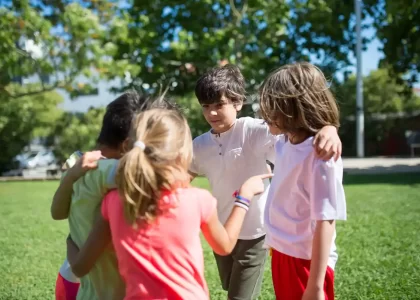
Parody songs often involve group participation, making them valuable tools for social learning. Singing together encourages cooperation, listening, and respect for others. Children learn to work as part of a group while sharing enjoyable experiences with classmates.
In International Montessori classrooms, collaborative activities help foster a strong sense of community. Group singing creates opportunities for children to connect with peers and develop positive social relationships. These experiences support communication skills and encourage teamwork.
Parody songs can also be used to teach social-emotional concepts such as kindness, empathy, responsibility, and respect. Educational lyrics allow children to explore important values in a memorable and engaging format. Repeated exposure to these messages reinforces positive behaviors and attitudes.
Music itself can contribute to emotional well-being. Singing often helps children express feelings, reduce stress, and build confidence. Participating in successful group performances or classroom singing activities can strengthen self-esteem and create a sense of accomplishment.
Making Learning More Engaging and Enjoyable
One of the reasons parody songs are effective in International Montessori education is their ability to make learning fun. Children are naturally drawn to music, and familiar melodies create an inviting atmosphere that encourages participation.
Educational topics that may seem challenging can become more accessible when presented through songs. Subjects such as geography, science, cultural studies, environmental awareness, and classroom routines can be transformed into memorable musical experiences. Children often retain information longer when learning is associated with enjoyment and positive emotions.
Parody songs also accommodate different learning styles. Auditory learners benefit from listening to lyrics, kinesthetic learners engage through movement, and social learners enjoy collaborative singing activities. This versatility makes parody songs an inclusive educational tool suitable for diverse classroom environments.
In International Montessori education, parody songs provide a creative way to combine music, language, culture, and active learning. By enhancing memory, encouraging participation, supporting social development, and making lessons enjoyable, parody songs help create meaningful educational experiences that contribute to both academic growth and personal development.