Music and movement are valuable components of International Montessori education, helping children develop physically, emotionally, socially, and intellectually. Montessori classrooms recognize that learning occurs through active engagement, and music-based activities provide children with opportunities to explore rhythm, coordination, creativity, and self-expression in meaningful ways.
In many International Montessori schools, music and movement are integrated into daily routines rather than being limited to occasional lessons. Children may participate in singing, dancing, rhythm exercises, group movement activities, and cultural music experiences that support overall development. These activities create joyful learning environments while helping children build essential life skills.
The Montessori approach encourages children to learn through experience, and music naturally aligns with this philosophy. By actively listening, moving, and creating, children engage multiple senses simultaneously, strengthening learning connections and enhancing developmental growth.
Supporting Cognitive and Physical Development Through Music
Music and movement activities contribute significantly to cognitive development in International Montessori classrooms. When children listen to rhythms, memorize songs, or follow movement patterns, they strengthen concentration, memory, and sequencing skills. These abilities support future learning in language, mathematics, and problem-solving.
Rhythm activities help children recognize patterns, which is an important foundation for mathematical thinking. Songs with repetition and structured sequences encourage memory development and improve listening skills. As children participate in musical experiences, they learn to process information, follow directions, and respond appropriately to auditory cues.
Physical development is equally supported through movement-based learning. Activities such as dancing, marching, stretching, and rhythm exercises improve balance, coordination, flexibility, and body awareness. Children learn to control their movements while developing gross motor skills that contribute to overall physical health.
Music can also enhance language development. Singing songs introduces new vocabulary, pronunciation patterns, and language structures in an enjoyable and memorable way. In multicultural International Montessori environments, children may be exposed to songs from different languages and cultures, expanding their communication skills while fostering cultural appreciation.
The connection between music and concentration is another important benefit. Montessori educators often observe that children become deeply engaged during music activities. Listening carefully to rhythms, matching movements to music, or participating in group performances encourages focused attention and self-discipline.
Encouraging Creativity, Cultural Awareness, and Social Skills
Creativity is a fundamental aspect of International Montessori education, and music provides an excellent platform for creative expression. Children are encouraged to experiment with sounds, create rhythms, invent movements, and express emotions through artistic activities. This freedom supports imaginative thinking and helps children develop confidence in their creative abilities.
Movement activities often allow children to interpret music in their own way. Rather than following rigid instructions, they can explore different motions and responses, promoting independent thinking and self-expression. Such experiences encourage children to trust their ideas and embrace creativity as part of learning.
International Montessori schools frequently use music as a tool for cultural education. Children may learn songs, dances, and musical traditions from different countries around the world. These experiences help students gain appreciation for cultural diversity while developing a broader understanding of global communities.
Exposure to international music traditions allows children to recognize similarities and differences among cultures. Through shared musical experiences, they develop respect for people from various backgrounds and learn to value cultural diversity as an important part of society.
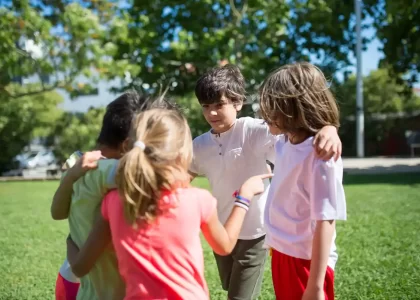
Music and movement activities also strengthen social development. Group singing, circle dances, rhythm games, and collaborative performances encourage cooperation and teamwork. Children learn to listen to others, take turns, follow group expectations, and work together toward common goals.
These social interactions help develop communication skills, empathy, and mutual respect. As children participate in shared musical experiences, they build positive relationships and gain confidence in social settings. The collaborative nature of music often creates a sense of belonging and community within the classroom.
Emotional development is another important outcome of music education. Music provides children with a healthy outlet for expressing feelings and managing emotions. Whether through energetic movement or calming melodies, children learn to recognize and respond to emotional experiences in constructive ways.
Many International Montessori educators incorporate music into daily transitions, relaxation periods, and mindfulness activities. Gentle music can create a calm classroom atmosphere, while energetic songs can encourage movement and engagement. This flexibility makes music a valuable tool for supporting emotional well-being and classroom harmony.
By combining physical activity, creative exploration, cultural learning, and social interaction, music and movement activities enrich the educational experience in International Montessori classrooms. These engaging experiences help children develop a wide range of skills while fostering a lifelong appreciation for music, creativity, and collaborative learning.