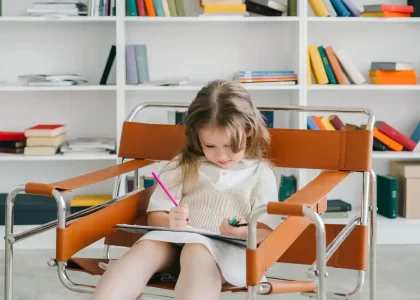

The prepared environment is the cornerstone of the Montessori method, serving as the child’s primary teacher and a powerful agent of development. For an International Montessori teacher establishing or maintaining a classroom overseas, the practical requirements for this environment are complex, involving not just the correct layout and material acquisition, but also the nuanced integration of local safety codes, cultural elements, and logistical challenges. The international training curriculum provides meticulous instruction on these practical requirements, ensuring the teacher can translate the philosophical ideal of the environment into a functional, authentic, and culturally responsive reality anywhere in the world.
Logistical and Philosophical Requirements for the Environment
The first practical requirement is **Adherence to Architectural and Layout Specifications**. The training emphasizes that the classroom must be beautiful, orderly, and perfectly scaled to the child. This includes using low shelves, child-sized furniture, and arranging the materials logically (from simple to complex, and left-to-right/top-to-bottom for the reading cultures). The international teacher must learn to work with local architects or contractors to adapt existing spaces to these philosophical specifications, often requiring significant ingenuity to secure compliant, yet aesthetically pleasing furniture and storage. The layout must facilitate the three-hour uninterrupted work cycle, ensuring free movement and access to all curriculum areas without unnecessary crowding or visual distraction. This focus on physical and functional order is a non-negotiable component of an authentic environment.
Secondly, the teacher must master the **Acquisition and Maintenance of Standardized Didactic Materials**. As discussed, the core materials are scientifically fixed and must be acquired from internationally recognized manufacturers. The international training includes detailed material-making sessions, teaching the teacher to identify and maintain the correct specifications (color, weight, dimension). Overseas, this often involves navigating complex shipping, customs, and import duties to ensure the classroom is fully equipped with complete, non-damaged materials. Furthermore, the daily and long-term maintenance of these materials—ensuring they are always complete, clean, and in working order—is a fundamental practical duty. The environment’s success hinges on the teacher’s diligence in this often-overlooked logistical task.
A third crucial requirement, particularly for international schools, is the **Integration of Local and Diverse Cultural Elements**. While the core materials are universal, the prepared environment must be a microcosm of the child’s world. The teacher is trained to introduce appropriate cultural materials, such as maps showing the host country and the children’s home countries, art from diverse traditions, and Practical Life exercises that reflect local customs (e.g., preparing a local dish or using local implements for cleaning). This cultural integration must be done thoughtfully, without tokenism, and must be seamlessly incorporated into the order of the environment. The environment must be safe, following local health and safety regulations, which can vary dramatically from country to country, adding a layer of logistical complexity. Ultimately, the successful international teacher, honed in training, understands that the environment’s prepared *state* is a constant work of art and science—a functional, beautiful, and psychologically nourishing space that is never truly finished but is perpetually maintained for the benefit of the child’s spontaneous activity.