
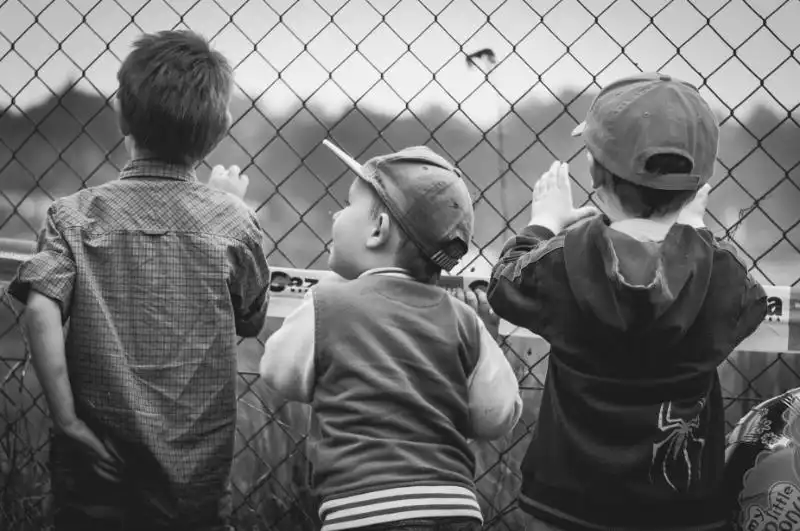
In the Montessori method, observation is not passive watching, but a highly sophisticated, scientific, and deliberate act—the primary tool the teacher uses to understand the child and guide their development. For the International Montessori teacher, this skill is especially critical as they must interpret child behavior across diverse cultural and linguistic norms. The training course dedicates significant, structured time to cultivating this skill, transforming the educator from a subjective reactor into an objective, prepared guide. The mastery of observation is what allows the teacher to truly “follow the child” and protect the integrity of the prepared environment anywhere in the world.
Systematic Techniques for Scientific Observation
The first core method employed is **Structured, Systematic Observation**. Trainees are required to dedicate hundreds of hours to silent observation in an authentic, accredited classroom environment (Casa dei Bambini, Toddler Community, or Elementary). This practice is guided by specific protocols: the teacher must sit quietly, without movement or interaction, and focus on capturing objective data. They are taught to record not *interpretations* (e.g., “The child was angry”), but **facts** (e.g., “The child stomped their foot, grabbed the bead chain, and dropped it three times”). This practice forces the trainee to suppress their own biases and cultural expectations, which is a major benefit for international work, where immediate interpretations may be culturally skewed. The emphasis is on separating the subjective adult from the objective phenomenon of the child’s work.
Secondly, the training utilizes various **Specialized Observation Techniques and Tools**. Trainees are introduced to formal observation techniques such as **Running Records** (detailed narrative accounts of a child’s activity over a continuous period), **Frequency Counts** (tallying the number of times a specific behavior or material is chosen), and **Time Samples** (recording activity at set, timed intervals). These tools ensure that the observation is systematic and quantifiable. The recorded data is then used to track the child’s cycles of work, periods of concentration, and progression through the curriculum, allowing the teacher to diagnose developmental needs (Sensitive Periods) and plan precise, minimal interventions. The rigorous documentation required serves as the scientific backbone for all future planning and communication with parents.
A third vital method is the **Analysis of Observation Records with a Trainer**. The recorded observations are regularly reviewed and critiqued by the training faculty. The purpose of this review is not to grade the child but to assess the **quality of the adult’s observation**. Trainers challenge the trainee to refine their objectivity, identify philosophical concepts reflected in the child’s spontaneous activity (e.g., “Normalization” or “Human Tendencies”), and link the observed behavior directly to the need for a specific material presentation or environmental adjustment. This critical, reflective analysis is the highest form of observation training, transforming the recorded data into a profound understanding of pedagogical strategy. The mastery of these observation methods ensures that the International Montessori teacher relies on empirical evidence of the child’s development, providing a stable, objective foundation for their practice that transcends linguistic or cultural barriers in the global classroom.


