Integrating specialized artistic mediums into early childhood education opens up extraordinary pathways for cognitive and physical development, with glass painting emerging as a particularly fascinating avenue for exploration. Within a child-centered learning environment, introducing a material as unique as glass transforms the traditional art experience into a captivating sensory journey. The smooth, transparent surface of the glass offers a completely different tactile feedback compared to standard paper or canvas, requiring young artists to adapt their techniques and refine their approach. This novelty immediately captures their attention, fostering a deep level of concentration that is essential for complex learning. As children explore how light interacts with the translucent paints, they are subtly introduced to foundational concepts of physics and optics, blending scientific observation with pure artistic expression.
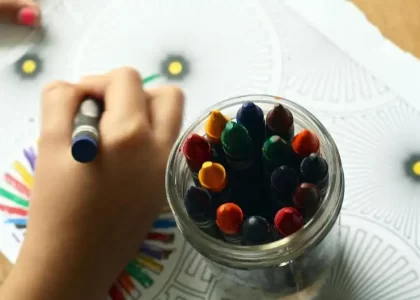
The meticulous nature of glass painting makes it an exceptional tool for developing fine motor skills and hand-eye coordination. Holding a fine brush and applying controlled strokes onto a slick surface demands a high degree of precision and muscular control from little hands. As children practice outlining shapes and carefully filling them with vibrant colors, they are actively strengthening the intrinsic muscles of their fingers and wrists. This physical conditioning is directly transferable to other essential tasks, such as gripping a pencil for writing or manipulating small objects during practical life exercises. The focused, deliberate movements required by this art form teach patience and perseverance, as children quickly learn that hasty strokes can lead to unintended blending or smudging on the unforgiving glass canvas.
Furthermore, this activity heavily promotes creative development by encouraging children to think outside conventional boundaries. Unlike opaque surfaces, glass allows for the exploration of layers and translucency, enabling students to experiment with color mixing in entirely new ways. When a child holds their finished piece up to the window, the interplay of natural light and their chosen palette creates a dynamic, ever-changing masterpiece. This immediate, magical feedback is incredibly rewarding and motivates children to continue experimenting with different designs and techniques. The open-ended nature of the activity ensures that there is no ‘correct’ way to paint, empowering students to trust their creative instincts and express their unique visions without fear of judgment.
In modern classroom practices, art is not treated as an isolated subject but is seamlessly woven into the broader curriculum to support holistic child development. Glass painting projects are frequently linked to other areas of study, such as nature, geometry, or cultural exposure. For instance, a child studying botany might choose to paint intricate leaf patterns, meticulously observing and replicating the veins and structures they have learned about. Alternatively, an exploration of geometric shapes can be translated into stunning stained-glass style designs, reinforcing spatial reasoning and symmetry. By connecting artistic endeavors to academic subjects, educators create a multidimensional learning experience that appeals to various learning styles and deepens overall comprehension.
The emotional expression facilitated by such immersive art activities cannot be overstated. For many young learners, articulating complex feelings verbally is a daunting task. The canvas—or in this case, the glass pane—becomes a safe harbor where emotions can be externalized and processed through color and form. A child experiencing frustration might choose bold, dark colors and rigorous strokes, while a calm, content child might gravitate toward soothing pastels and gentle swirls. Educators who observe these artistic choices gain valuable insights into the child’s internal world, allowing them to provide targeted emotional support when necessary. This non-verbal communication is vital for building emotional intelligence and helping children navigate their complex emotional landscapes.
The incorporation of modern Montessori methodologies ensures that the environment surrounding these artistic activities is carefully curated to maximize independence. All materials—the glass panes, non-toxic paints, brushes, and cleaning supplies—are arranged on accessible, child-sized shelving. This setup allows students to independently select the activity, set up their workspace, and manage the cleanup process once they have finished. Taking responsibility for the entire cycle of the project instills a profound sense of self-sufficiency and respect for the shared classroom environment. When children realize they are trusted to handle delicate materials like glass, their self-esteem and sense of maturity receive a significant boost.
Global awareness is subtly integrated into these art sessions by introducing children to the historical and cultural significance of glass art around the world. Educators might share images of magnificent stained-glass windows from European cathedrals, intricate Middle Eastern glass mosaics, or contemporary glass sculptures from international artists. This cultural exposure broadens the children’s horizons, demonstrating how a single medium can be interpreted in countless ways across different societies. By examining these diverse artistic traditions, students develop a deeper appreciation for global heritage and begin to see themselves as part of a vibrant, worldwide creative community. This perspective fosters an inclusive mindset that respects and celebrates cultural diversity.
Performance skills and confidence are also nurtured through the sharing and presentation of the completed artworks. Classrooms often feature a designated display area where children can showcase their glass paintings for their peers and families to admire. Presenting their work requires children to articulate their thought process, explain their color choices, and describe the challenges they overcame during the creation. This practice of discussing one’s own work in front of an audience builds public speaking skills and self-assurance. The positive reinforcement received from peers creates a supportive community atmosphere, where constructive feedback is exchanged and every child’s artistic journey is validated.
The therapeutic rhythm of glass painting provides a much-needed counterbalance to the highly stimulating modern world. The focused attention required acts as a form of mindfulness, allowing children to center themselves and find a state of calm flow. This quiet, reflective time is essential for mental well-being, giving children the space to process their thoughts and recharge their mental energy. By valuing and prioritizing these tranquil artistic periods, educators acknowledge that true learning requires moments of pause and internal reflection. The classroom becomes a sanctuary where the hustle of daily life is replaced by the serene focus of creative endeavor.
Ultimately, integrating sophisticated artistic practices like glass painting into early education exemplifies a profound commitment to the child’s complete development. It bridges the gap between physical skill acquisition, intellectual exploration, and emotional articulation. By providing young learners with challenging, beautiful materials and the freedom to explore them independently, educators lay the groundwork for a lifetime of creative confidence and critical inquiry. As these children grow, the patience, precision, and imaginative capacity cultivated through such activities will serve them across all disciplines, proving that true artistic growth is fundamentally intertwined with the development of the whole child.