
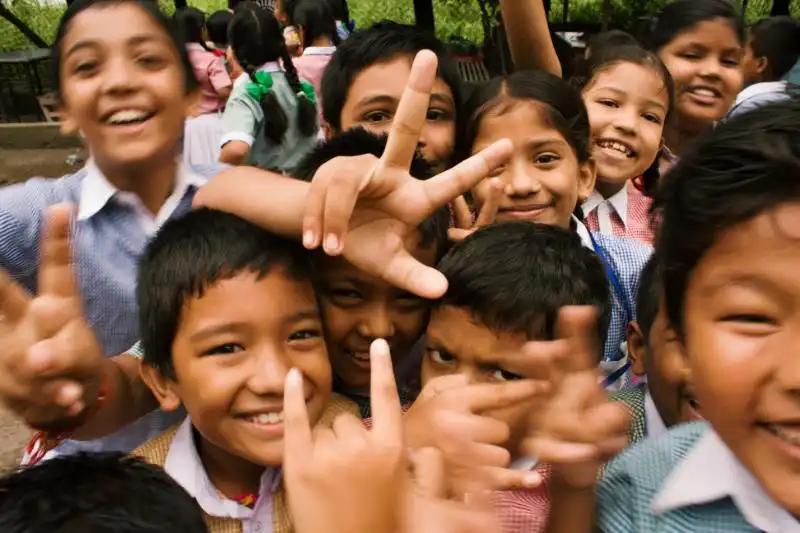
Character building and values education in Montessori schools shape responsible individuals by helping children develop integrity, empathy, respect, responsibility, and self-discipline from an early age. While academic achievement is an important aspect of education, International Montessori Education recognizes that true success also depends on strong personal values and positive character traits. Montessori learning environments are intentionally designed to support the development of ethical behavior, social responsibility, emotional intelligence, and respect for others. Through daily experiences and meaningful interactions, children learn the principles that guide them toward becoming thoughtful and responsible members of society.
The Montessori philosophy is based on respect for the child as an individual with unique abilities, interests, and potential. This respect forms the foundation of character development within the classroom. Children are encouraged to make choices, take responsibility for their actions, and treat others with kindness and consideration. Rather than relying primarily on rewards or punishments, Montessori education promotes internal motivation and self-reflection, helping children understand the importance of making positive decisions because they are meaningful and beneficial.
Responsibility is one of the most important values nurtured in Montessori schools. Children are given opportunities to care for their learning materials, maintain classroom order, and contribute to the well-being of their community. These responsibilities teach students that their actions have consequences and that they play an important role in creating a positive environment. As children successfully manage tasks and fulfill responsibilities, they develop confidence and accountability that extend beyond the classroom.
Respect is another essential element of values education in Montessori settings. Students learn to respect themselves, their peers, educators, and the environment around them. This respect is demonstrated through daily interactions, collaborative learning experiences, and shared responsibilities. By practicing respectful communication and behavior, children develop healthy relationships and learn to appreciate the perspectives and contributions of others.
Empathy plays a central role in character building because it helps children understand and respond to the feelings of those around them. Montessori classrooms encourage students to consider different viewpoints, listen carefully, and respond thoughtfully during social interactions. Through these experiences, children learn the importance of compassion, kindness, and emotional awareness. Empathy strengthens relationships and contributes to the creation of supportive and inclusive learning communities.
How Montessori Education Encourages Ethical Growth and Positive Behavior
One of the unique strengths of Montessori education is its emphasis on learning through real-life experiences. Character development is not taught solely through discussions or lessons but through daily opportunities to practice positive behaviors. Children learn honesty, fairness, cooperation, and perseverance by engaging in meaningful activities that require responsibility and self-control.
The mixed-age classroom structure commonly found in International Montessori Education provides valuable opportunities for ethical growth. Younger students observe older peers demonstrating leadership, patience, and responsibility, while older students learn empathy and cooperation by supporting younger classmates. These interactions create a natural environment for developing positive character traits and understanding the importance of helping others.
Conflict resolution is another important aspect of values education in Montessori schools. Children are encouraged to solve disagreements through respectful communication and problem-solving rather than relying on adult intervention whenever possible. This approach teaches students how to listen, express concerns appropriately, and work collaboratively toward solutions. Learning to resolve conflicts peacefully strengthens emotional intelligence and helps children develop mature interpersonal skills.
Practical life activities also contribute significantly to character development. Tasks such as organizing materials, caring for classroom plants, preparing snacks, and maintaining clean workspaces help children develop discipline, patience, and responsibility. These experiences reinforce the idea that meaningful contributions, no matter how small, have value and impact the community positively.
International Montessori classrooms often incorporate multicultural learning experiences that support values education on a global level. Children are introduced to different cultures, traditions, and perspectives, encouraging respect for diversity and appreciation for humanity’s shared experiences. These lessons help students become more open-minded and develop a sense of global citizenship. Understanding and respecting cultural differences prepares children to interact positively with people from various backgrounds throughout their lives.
Leadership development is closely connected to character building. Montessori students are encouraged to take initiative, support their peers, and contribute to group activities. Effective leadership in Montessori education is based on service, responsibility, and respect rather than authority. Children learn that strong leaders demonstrate empathy, integrity, and a commitment to helping others succeed.
Creativity and independent thinking further enhance character development by encouraging children to explore ideas, solve problems, and make thoughtful decisions. Montessori education empowers students to think for themselves while considering the impact of their choices on others. This balance between independence and responsibility supports the development of strong moral character and ethical judgment.
Character building and values education in Montessori schools play a vital role in shaping responsible individuals who are prepared to contribute positively to society. By fostering respect, empathy, responsibility, honesty, leadership, and global awareness, International Montessori Education helps children develop the personal qualities needed for lifelong success. These experiences create a strong foundation for ethical decision-making, meaningful relationships, and active participation in an increasingly interconnected world.


