
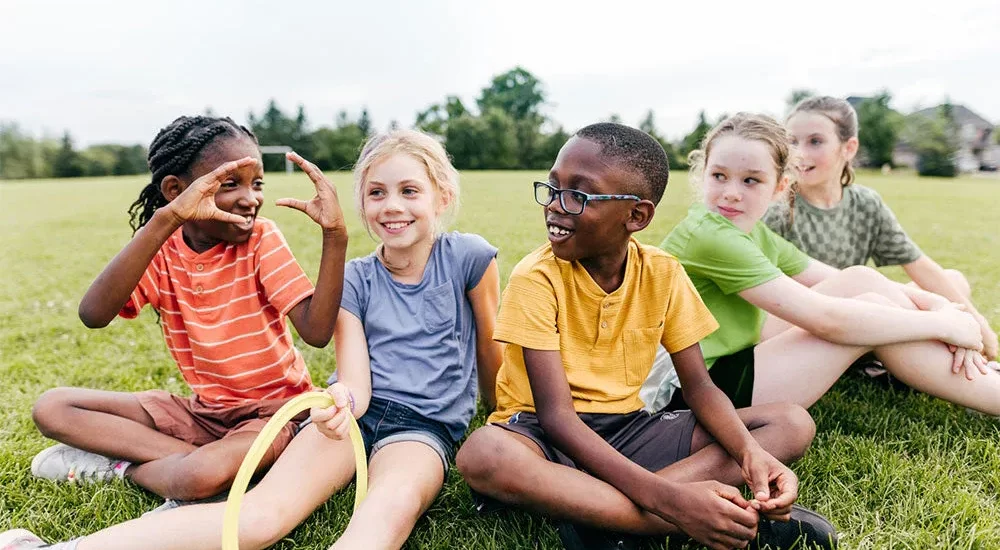
When we consider the holistic development of a child within modern international Montessori programs, the integration of dance-based learning emerges as a profoundly transformative element. Movement is fundamental to early childhood; it is the primary vehicle through which young children explore their environment, understand spatial relationships, and express their burgeoning identities. By elevating movement to a structured, expressive art form like dance, Montessori education harnesses this natural physical energy and channels it toward profound developmental outcomes. Dance-based learning goes far beyond simple physical exercise; it is an intricate neurological and physical activity that demands a complex synthesis of cognitive, motor, and emotional faculties. In the thoughtfully prepared Montessori environment, dance is introduced not as a rigid discipline of rote choreography, but as a fluid, expressive language that encourages children to connect with their physical selves and articulate their internal experiences. This approach fundamentally shifts the focus from performance to process, prioritizing the child’s subjective experience of movement over the execution of specific techniques. Through this expressive freedom, children build a deep, embodied confidence that permeates all aspects of their learning and social interaction. When a child learns to command their body in space, to balance, leap, and turn with intention, they develop a robust physical self-assurance that naturally translates into psychological resilience and self-belief.
Coordination, both gross and fine, is dramatically enhanced through consistent engagement with dance and movement activities. The rhythmic demands of dance require children to synchronize their physical movements with auditory cues, a process that significantly strengthens neural pathways connecting the auditory and motor cortices. This synchronization improves not only their physical agility and balance but also their cognitive timing and sequencing skills. In a Montessori setting, these movement exercises are often integrated with other areas of learning. For instance, a child might express the life cycle of a butterfly through a sequence of movements, or embody the rhythmic patterns of a musical composition. This cross-disciplinary approach reinforces academic concepts through kinesthetic learning, catering to the diverse learning styles present in any classroom. The spatial awareness developed through dance is equally critical. Children learn to navigate the physical space of the classroom, moving in relation to their peers without collision, understanding concepts of proximity, directionality, and spatial boundaries. This physical intelligence is essential for everyday functioning and lays the groundwork for more abstract spatial reasoning required in subjects like geometry and physics. The physical exertion involved in dance also promotes cardiovascular health, muscular strength, and overall physical vitality, ensuring that children are energized and physically prepared for the demands of their educational journey.
Perhaps the most compelling aspect of dance-based learning in Montessori education is its capacity to facilitate emotional expression and regulation. Children experience a wide spectrum of emotions, yet they often lack the verbal vocabulary to articulate complex feelings of joy, frustration, anxiety, or wonder. Dance provides a powerful, non-verbal outlet for these emotions. Through movement, a child can physically process and release emotional tension, translating an internal state into an external physical form. A heavy, stomping dance might express anger or frustration, while light, sweeping movements might convey happiness or tranquility. The Montessori educator plays a crucial role in validating these physical expressions, providing a safe, non-judgmental space where children feel secure in exploring their emotional landscape. This somatic approach to emotional intelligence helps children develop a profound awareness of their own feelings and the bodily sensations associated with them. By learning to identify and express their emotions through movement, children gain vital tools for self-regulation and emotional resilience. Furthermore, participating in group dance activities fosters a strong sense of community and empathy. As children move together, synchronizing their actions and observing the physical expressions of their peers, they develop a keen sensitivity to the emotional states of others. This shared kinesthetic experience builds interpersonal connection and promotes a harmonious, empathetic classroom culture.
The international dimension of modern Montessori programs further enriches dance-based learning by integrating a diverse array of global movement traditions. Exposure to the dances of different cultures is a dynamic and engaging way to promote global awareness and cultural appreciation. Children might learn the intricate footwork of traditional Irish dancing, the expressive hand gestures of Indian classical dance, or the rhythmic drumming and movement of West African traditions. This exposure is not merely an exercise in mimicry; it is an exploration of history, geography, and human diversity. Through these global dance forms, children learn that while human cultures vary wildly in their expressions, the impulse to move and create meaning through the body is universally shared. This understanding fosters a deep respect for cultural differences and cultivates an inclusive, globally-minded worldview. The incorporation of diverse musical styles accompanying these dances further broadens the children’s auditory palette, exposing them to different scales, rhythms, and instrumentation. This rich sensory environment stimulates cognitive development and encourages an open, curious approach to unfamiliar experiences, a crucial mindset for future global citizens.
Within the Montessori framework, the implementation of dance is characterized by the same principles of choice and independence that define the broader curriculum. Movement activities are often presented as individual or small group choices, allowing children to engage with dance when they feel internally motivated. A movement area might be equipped with scarves, ribbons, and culturally diverse musical instruments, inviting spontaneous exploration. Guided dance sessions emphasize creative input, with teachers encouraging children to invent their own movements and choreograph simple sequences. This autonomy empowers children, reinforcing their role as active creators rather than passive recipients of instruction. The emphasis is always on the joy of movement and the authenticity of expression. By removing the pressure of formal performance and focusing instead on the intrinsic value of the activity, Montessori education ensures that dance remains a joyful, liberating experience. This approach not only cultivates a lifelong appreciation for physical activity and the arts but also equips children with the confidence, coordination, and emotional intelligence necessary to thrive in an increasingly complex and interconnected world.
The synthesis of academics, creativity, and physical expression through dance exemplifies the holistic nature of the Montessori method. It acknowledges that true education cannot be compartmentalized into isolated subjects but must address the child as an integrated whole. When a child learns through movement, they are engaging their body, mind, and spirit simultaneously. This holistic engagement leads to deeper, more enduring learning. The cognitive concepts grasped through kinesthetic experience are anchored by physical memory, making them more easily retrievable and applicable. The emotional resilience developed through expressive movement provides a stable foundation for intellectual exploration. And the confidence gained through mastering physical coordination empowers the child to tackle challenges across all areas of their life. In essence, dance-based learning in the international Montessori classroom is a vital catalyst for comprehensive child development. It transforms the educational experience from a static transmission of information into a dynamic, vibrant journey of self-discovery and growth. Through the language of dance, children learn to navigate the world with grace, empathy, and an unshakable belief in their own physical and creative agency, preparing them not just for the next stage of their education, but for a rich and fulfilling life.


