
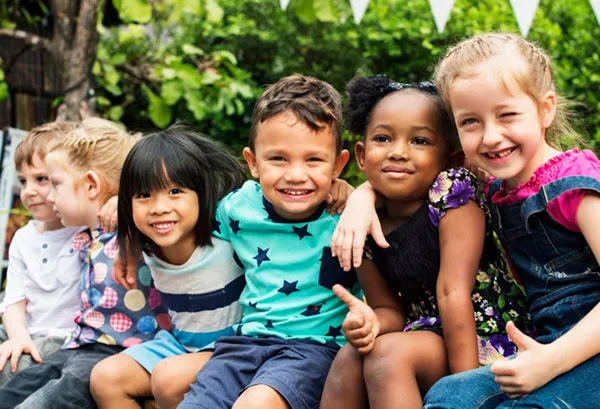
While academic achievement is often the primary metric of educational success, the Montessori method recognizes that the development of emotional intelligence is equally, if not more, vital for a child’s long-term happiness and success. Emotional intelligence encompasses the ability to recognize, understand, and manage one’s own emotions, as well as to recognize, understand, and influence the emotions of others. In a Montessori classroom, the development of these skills is not relegated to a specific lesson or a weekly “character building” class; rather, it is woven seamlessly into the fabric of daily life. The prepared environment, the role of the teacher, and the community structure all converge to create a safe space where children can explore their emotional landscape, learn to navigate complex social dynamics, and build the resilience needed to face life’s challenges. By prioritizing the social and emotional well-being of the child alongside their intellectual growth, Montessori education lays the groundwork for compassionate, self-assured, and emotionally mature adults.
The Prepared Environment as a Tool for Emotional Regulation
The Montessori prepared environment is a powerful ally in the development of self-regulation and emotional control. Children in a Montessori setting enjoy a high degree of freedom to choose their work and move about the room, but this freedom exists within clearly defined boundaries. These “freedoms and limits” provide a structure that is remarkably comforting to the child. The consistent routines and the predictable order of the classroom reduce anxiety and help children feel safe, which is a prerequisite for emotional learning. When a child knows where materials belong and what the expectations are for behavior, they do not have to expend emotional energy navigating uncertainty. Furthermore, the environment itself is designed to be calming, with natural light, soft colors, and orderly shelves, which helps lower stress levels. When a child does experience big emotions—frustration with a task, sadness over a lost item, or anger during a conflict—the environment offers them space and tools to process these feelings. They might choose to retreat to a cozy corner to read a book or engage in a grounding activity like pouring water. The ability to seek solitude and comfort independently is a crucial aspect of emotional self-regulation, teaching children that they have the agency to manage their internal states.
Guiding Children Through Conflict Resolution Strategies
Conflict is an inevitable part of any social community, and in the Montessori classroom, it is viewed not as a disruption to be quelled, but as a valuable learning opportunity. When disagreements arise between children, the teacher’s role is not to act as a judge who hands down a verdict, but as a facilitator who guides the children toward their own resolution. The children are encouraged to use their words to express how they feel and to listen actively to the other party. This process often involves the “peace table,” a designated space where children can go to resolve their differences. The teacher models empathetic language, helping children articulate their needs—”I felt sad when you took my work because I wasn’t finished”—and brainstorm solutions that are mutually acceptable. This approach teaches children that conflict is a problem to be solved collaboratively, rather than a battle to be won. Over time, they internalize these conflict resolution strategies and become increasingly capable of navigating social friction without adult intervention. This builds immense confidence and social competence, as they realize they have the power to repair relationships and advocate for themselves in a respectful manner.
Building Empathy Through Grace and Courtesy Lessons
Empathy, the ability to understand and share the feelings of another, is explicitly cultivated in the Montessori curriculum through a series of lessons known as Grace and Courtesy. These are essentially social skills lessons that teach children how to interact with one another and their environment with respect and consideration. They might involve role-playing how to greet a visitor, how to excuse oneself when passing by, how to offer help, or how to apologize sincerely. By practicing these interactions in a low-stakes environment, children become comfortable with the nuances of social exchange. More importantly, these lessons are framed around the concept of community welfare. Children learn that their actions impact others and that consideration for the collective good creates a harmonious environment. The mixed-age aspect of the Montessori classroom further amplifies empathy. Younger children look up to the older ones with admiration, while older children develop a protective and nurturing attitude toward the younger. This dynamic fosters a sense of responsibility and care that transcends typical peer relationships. It teaches the older child to be patient and to see the world from the perspective of someone less capable, while the younger child feels supported and understood, creating a cycle of empathy that strengthens the entire community.


