
Communication skills enhancement through Montessori activities supports child development by helping children express their thoughts clearly, listen actively, build meaningful relationships, and participate confidently in social and academic environments. Effective communication is one of the most important life skills a child can develop, influencing everything from learning and problem-solving to leadership and emotional well-being. Within International Montessori Education, communication is nurtured naturally through child-centered experiences that encourage interaction, collaboration, self-expression, and respectful dialogue. These opportunities help children become confident communicators who can engage successfully with the diverse world around them.
The Montessori approach recognizes that communication extends beyond speaking and writing. It includes listening, understanding emotions, interpreting social cues, and expressing ideas in ways that are respectful and meaningful. Montessori classrooms are designed to create an environment where children feel comfortable sharing their thoughts and participating in conversations. This supportive atmosphere helps children develop confidence while strengthening their ability to communicate effectively with peers and adults.
Language development begins at an early age and is carefully supported through Montessori learning experiences. Children are exposed to rich vocabulary, meaningful conversations, storytelling activities, and interactive lessons that encourage language growth. Rather than memorizing information passively, students actively engage with language through exploration and discussion. These experiences help children develop stronger speaking abilities while expanding their understanding of words, concepts, and communication patterns.
One of the key advantages of Montessori education is its emphasis on independence. As children make choices and manage their learning activities, they naturally develop the confidence to express preferences, ask questions, and seek assistance when needed. These daily interactions encourage children to use language purposefully and become comfortable communicating their needs and ideas. Over time, this confidence contributes to stronger self-esteem and more effective communication skills.
Mixed-age classrooms further enhance communication development by creating opportunities for interaction among children at different stages of growth. Younger students learn by observing and engaging with older peers, while older students strengthen their communication abilities by explaining concepts, offering guidance, and serving as role models. These relationships encourage meaningful dialogue and help children develop patience, empathy, and adaptability in their communication styles.
How Montessori Activities Build Strong Communicators
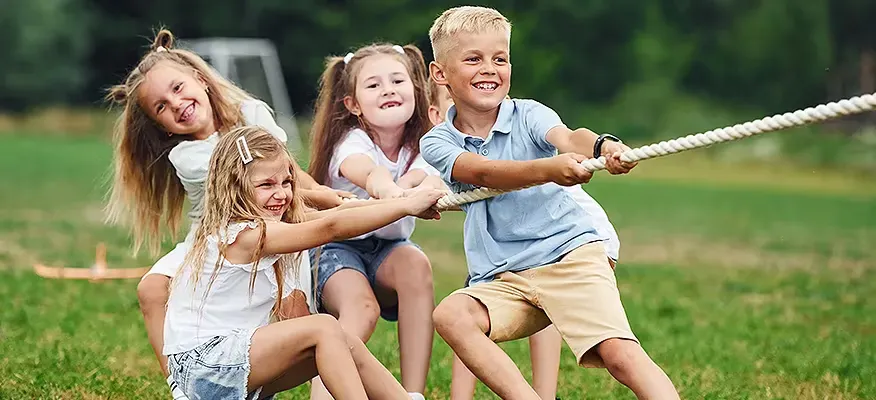
Many Montessori activities are specifically designed to encourage interaction and meaningful conversation. Collaborative projects require children to share ideas, listen to different viewpoints, and work together toward common goals. Through these experiences, students learn how to communicate respectfully, negotiate solutions, and contribute effectively within a group setting. Such skills are essential for both academic success and future professional relationships.
Storytelling plays a particularly important role in communication development. Listening to stories helps children expand vocabulary and comprehension, while retelling stories strengthens memory, sequencing, and verbal expression. Children often participate in discussions about characters, events, and themes, encouraging them to articulate thoughts and engage in meaningful conversations. These activities support both language development and critical thinking.
Role-play and mimicry activities also contribute significantly to communication skills enhancement. By acting out situations, portraying characters, and participating in dramatic presentations, children practice verbal expression in creative and engaging ways. These experiences help them become more comfortable speaking in front of others while improving pronunciation, confidence, and emotional expression. Such activities also encourage children to understand different perspectives, which strengthens empathy and social awareness.
Communication is closely linked to emotional intelligence, another important focus of Montessori education. Children are encouraged to identify and express emotions appropriately while learning to recognize and respect the feelings of others. Through guided interactions and conflict-resolution experiences, students develop the ability to communicate calmly and effectively during challenging situations. These skills help children build positive relationships and navigate social environments with greater confidence.
International Montessori Education further strengthens communication abilities by exposing children to diverse cultures, languages, and perspectives. Multicultural learning experiences encourage students to appreciate differences while finding common ground with others. As children learn about global communities and engage with classmates from varied backgrounds, they develop cultural awareness and adaptability in communication. These qualities are increasingly valuable in a world where collaboration often extends across cultural and geographical boundaries.
Public speaking opportunities within Montessori environments provide additional support for communication growth. Presenting projects, sharing discoveries, and participating in classroom discussions help children organize thoughts and communicate ideas clearly. Regular opportunities to speak before peers reduce anxiety and build confidence, allowing students to develop strong presentation and leadership skills over time.
Creative activities such as music, art, dance, and creative writing also contribute to communication development. These forms of expression allow children to share ideas and emotions in unique ways while enhancing creativity and confidence. When combined with verbal communication experiences, creative activities help children become more versatile and expressive communicators.
Communication skills enhancement through Montessori activities is a vital component of holistic child development. By fostering language growth, active listening, emotional intelligence, collaboration, confidence, and cultural awareness, International Montessori Education equips children with the tools needed to communicate effectively throughout their lives. These skills not only support academic achievement but also help children build meaningful relationships, develop leadership qualities, and thrive in an increasingly interconnected global society.


