
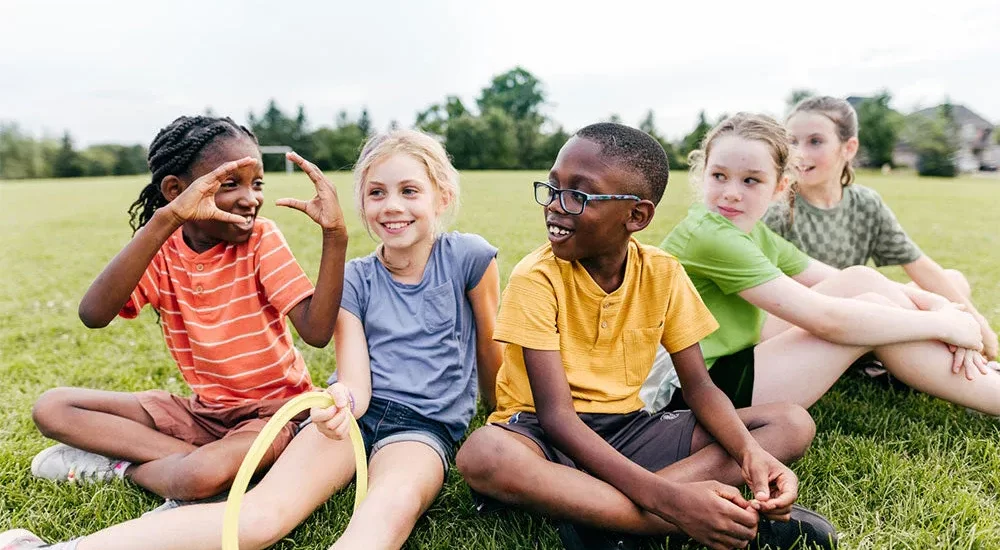
Choosing the right educational path for a child is one of the most important decisions parents make. In today’s rapidly changing world, families are looking for learning environments that go beyond traditional academics and focus on developing confident, capable, and independent individuals. This is where International Montessori education stands out. Combining the timeless principles of the Montessori method with a global perspective, International Montessori schools provide children with the skills, knowledge, and mindset needed to thrive in the modern world.
International Montessori education is based on the philosophy developed by Dr. Maria Montessori, who believed that children learn best when they are given the freedom to explore, discover, and learn at their own pace. Rather than relying solely on teacher-led instruction, Montessori classrooms encourage active participation, hands-on learning, and meaningful engagement with the environment. This approach nurtures curiosity and helps children develop a lifelong love for learning.
One of the defining features of International Montessori education is its child-centered approach. Every child is unique, with different interests, strengths, and learning styles. Montessori classrooms recognize these differences and allow children to progress according to their individual abilities. Instead of being pressured to keep up with a fixed curriculum, children are encouraged to master concepts thoroughly before moving on to new challenges. This personalized learning experience helps build confidence and ensures a strong foundation for future academic success.
The learning environment in an International Montessori classroom is carefully designed to inspire exploration and independence. Educational materials are arranged in an organized and accessible manner, allowing children to choose activities that match their interests and developmental needs. Through hands-on experiences, children gain a deeper understanding of concepts in mathematics, language, science, geography, and practical life skills. Learning becomes an engaging process rather than a routine task, making education both meaningful and enjoyable.
Another significant advantage of International Montessori education is its emphasis on developing independence. Children are encouraged to take responsibility for their learning, make decisions, and solve problems on their own. From an early age, they learn essential life skills such as organization, time management, and self-discipline. These qualities not only contribute to academic achievement but also prepare children to face real-world challenges with confidence and resilience.
International Montessori schools also foster a strong sense of global awareness. In an increasingly interconnected world, understanding different cultures and perspectives is more important than ever. Through multicultural learning experiences, children gain appreciation for diversity and develop respect for people from various backgrounds. Lessons often include global traditions, geography, languages, and cultural studies that help children become open-minded and compassionate global citizens.
Social development is another key component of the Montessori approach. Classrooms often include mixed-age groups, allowing younger children to learn from older peers while giving older students opportunities to develop leadership and mentoring skills. This collaborative environment encourages cooperation, empathy, and mutual respect. Children learn to communicate effectively, work together, and resolve conflicts peacefully, building strong interpersonal skills that will benefit them throughout life.
Creativity and critical thinking are actively encouraged within International Montessori education. Rather than focusing solely on memorization and standardized testing, Montessori learning emphasizes exploration, inquiry, and problem-solving. Children are encouraged to ask questions, investigate ideas, and think independently. This approach nurtures innovation and helps students develop the analytical skills needed to succeed in an ever-evolving world.
The role of teachers in an International Montessori classroom differs significantly from that of traditional educators. Montessori teachers act as guides and facilitators rather than lecturers. They carefully observe each child’s progress, provide appropriate learning opportunities, and support individual development. This respectful and supportive relationship creates a positive learning atmosphere where children feel valued, understood, and motivated to achieve their potential.
Practical life activities are another important aspect of the Montessori curriculum. Children engage in tasks such as organizing materials, caring for plants, preparing snacks, and maintaining their environment. These activities help develop concentration, coordination, responsibility, and independence. At the same time, they teach valuable life skills that contribute to personal growth and self-confidence.
International Montessori education also supports emotional development. Children learn in a nurturing environment that respects their individuality and encourages self-expression. They are given opportunities to recognize and manage emotions, build self-esteem, and develop positive relationships with others. By fostering emotional intelligence alongside academic learning, Montessori schools help children become balanced and confident individuals.
Parents often appreciate the holistic nature of Montessori education. Rather than focusing solely on academic performance, the approach nurtures intellectual, social, emotional, physical, and ethical development. This comprehensive focus ensures that children grow into well-rounded individuals who are prepared for both educational and personal success.
Research and experience have shown that children educated through Montessori methods often demonstrate strong academic abilities, excellent problem-solving skills, and a genuine enthusiasm for learning. They tend to be self-motivated, adaptable, and capable of working independently. These qualities provide a strong advantage as they progress through higher levels of education and eventually enter the professional world.
In addition, International Montessori schools frequently integrate modern educational practices and global standards while maintaining the core Montessori philosophy. This combination allows students to benefit from innovative teaching methods, advanced learning resources, and international perspectives. As a result, children receive an education that is both timeless and relevant to the demands of the twenty-first century.
As parents consider the best educational options for their children, it is important to look beyond traditional measures of success. Academic achievement is valuable, but equally important are qualities such as independence, creativity, confidence, adaptability, and compassion. International Montessori education nurtures all of these attributes within a supportive and engaging learning environment.
Ultimately, International Montessori education offers more than just a pathway to academic success. It provides children with the tools to become lifelong learners, thoughtful leaders, and responsible global citizens. By respecting each child’s individuality and encouraging a love for discovery, Montessori education helps lay the foundation for a bright and fulfilling future. For families seeking an educational approach that prepares children not only for school but also for life, International Montessori education remains one of the most effective and inspiring choices available today.


