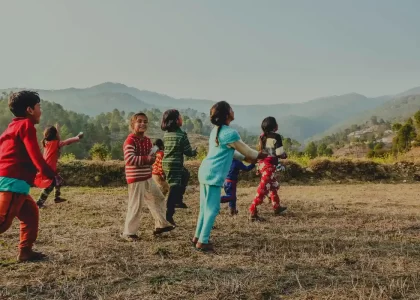

The principle of **Freedom within Limits** is the cornerstone of the management philosophy in **International Montessori Education**. It is the practical application of respecting the child’s natural developmental urges while ensuring the safety and harmony of the community. This freedom is not license; rather, it is the deliberate liberty granted to the child to choose and work with materials in a meaningful way, governed by clear, non-negotiable rules rooted in respect for the environment and others.
The limits are defined by three core rules: **respect for self, respect for others, and respect for the environment**. The child is free to choose their work, work for as long as they like, and repeat the work as often as needed. However, they are not free to disturb others, misuse the materials, or leave a mess. This framework provides the security and predictability that children crave while fostering the vital opportunity for independent choice and action, which is paramount in developing the self-regulating skills required in **international education**.
The Development of the Will and Self-Regulation
Granting this carefully controlled freedom leads to profound psychological growth:
- **The Development of the Will:** True freedom requires a developed **will**—the capacity to choose and execute purposeful action. The Montessori environment, through the freedom to choose engaging work, allows the child to strengthen their will incrementally. They learn to make decisions, persist through challenges, and regulate their own behavior, leading to genuine, internalized **self-discipline** rather than mere obedience to authority.
- **Responsibility Through Choice:** When children are responsible for their choices (e.g., choosing a material means being responsible for completing the work and returning it), they internalize the connection between freedom and responsibility. This sense of personal agency is critical for building the character needed to navigate complex social situations in a diverse, **international** world.
- **Focus and Concentration:** The freedom to work on something that genuinely interests them, without arbitrary interruption, allows the child to enter a state of deep concentration. This intense focus is the key to mental development and the hallmark of a **normalized** child. The structure of the day, with its large, uninterrupted work cycle, is designed precisely to protect this freedom of concentration.
The principle of **Freedom within Limits** in **International Montessori Education** acknowledges that discipline is not something imposed from outside, but a psychological capacity developed from within through purposeful activity. By providing the tools and the protected freedom to use them, the child constructs a disciplined, confident, and self-regulating self, prepared to face the world with competence and grace.