
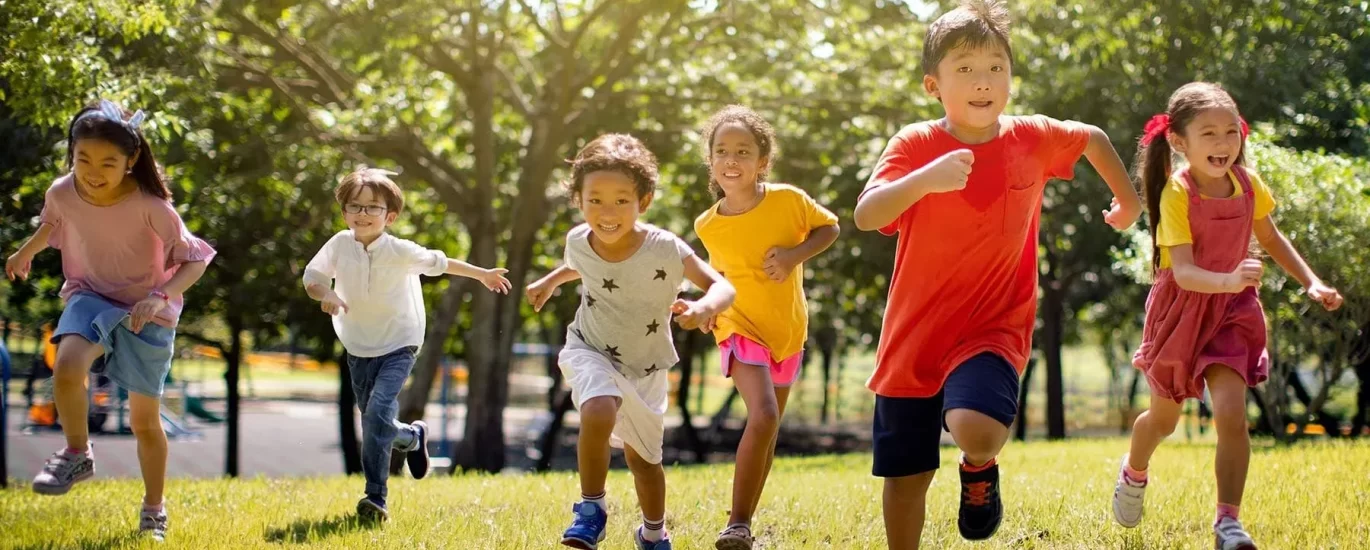
In the landscape of modern developmental psychology and early childhood education, the emphasis on choreographed movement has revolutionized how practitioners view cognitive growth. When educators critically examine the intersection between emotional articulation and structured pedagogical frameworks, a remarkable synthesis emerges. The child is no longer viewed as a passive recipient of standardized data, but rather as an active architect of their own neural pathways. This profound shift requires a complete reevaluation of the physical spaces and the psychological atmospheres in which children spend their formative years. By intentionally designing environments that cater to innate curiosity rather than rigid compliance, institutions are witnessing a remarkable surge in intrinsic motivation. Children exposed to these carefully calibrated settings demonstrate an exceptional capacity for sustained concentration, a trait often deemed lacking in contemporary, fast-paced societies. The integration of rhythmic confidence into the daily fabric of the learning experience acts as a powerful catalyst, transforming mundane tasks into deep, meaningful explorations. It is within this dynamic interplay of freedom and responsibility that true intellectual and emotional resilience is forged, setting a robust foundation that will support the individual across a lifetime of complex challenges and unprecedented global shifts.
Kinesthetic learning modalities, particularly those involving structured rhythmic movement, play a pivotal role in harmonizing the physiological and psychological aspects of early childhood development. When movement is integrated intentionally into the daily rhythm of the classroom, it serves as a powerful catalyst for executive function enhancement. Children tasked with synchronizing their physical actions to specific auditory cues are actively training their working memory, inhibitory control, and cognitive flexibility. This dynamic form of engagement requires the brain to rapidly process sensory input and translate it into precise motor output. The spatial awareness demanded by group movement activities also cultivates a profound sense of social cohesion and empathy. As children navigate shared spaces, they learn to modulate their physical presence in relation to their peers, fostering a non-verbal understanding of community dynamics and mutual respect. Moreover, the integration of diverse cultural rhythms into these movement sequences provides a deeply visceral introduction to global traditions. By experiencing the tempos and cadences of different societies, children develop an embodied appreciation for cultural diversity that transcends intellectual comprehension. This holistic approach to physical education recognizes that the mind and body are inextricably linked, and that physical vitality is a prerequisite for sustained cognitive engagement. The confidence gained through physical mastery naturally translates into other areas of the curriculum, empowering children to approach intellectual challenges with the same enthusiasm and self-assurance they exhibit during dynamic movement sessions. The resulting educational experience is one of profound integration, where physical health, emotional well-being, and cognitive agility are nurtured simultaneously. This phenomenon is particularly evident when analyzing the impact of rhythmic confidence. Autonomy in the educational setting is the critical precursor to authentic intellectual maturity and ethical self-governance. The architecture of the learning environment is specifically designed to facilitate independent decision-making at every juncture of the daily routine. From the moment a child enters the space, they are empowered to select their own activities, manage their own time, and take responsibility for the restoration of the environment. This constant exercise of agency is fundamentally different from a permissive atmosphere; it is structured within a framework of clear, logical boundaries that ensure the collective well-being of the community. As children navigate these choices, they inevitably encounter challenges and frustrations. However, because the environment is non-judgmental and the materials are inherently auto-didactic, these moments of friction become invaluable opportunities for the development of emotional regulation and problem-solving skills. The educator acts not as an authoritative distributor of knowledge, but as an acute observer and subtle guide, intervening only when necessary to remove obstacles to the child’s natural developmental trajectory. This nuanced dynamic requires a profound level of professional restraint and trust in the inherent capabilities of the child. Over time, this consistent exercise of autonomy cultivates an unshakeable internal locus of control. Children realize that they are the primary architects of their own learning, a realization that fuels lifelong intellectual curiosity and a proactive approach to challenges. The resulting self-discipline is not imposed from the outside, but blossoms organically from within, laying the essential groundwork for responsible and engaged citizenship in the adult world.
The deliberate cultivation of a global perspective is a cornerstone of modern progressive educational paradigms, recognizing that children are fundamentally citizens of an interconnected world. This vital exposure is not achieved through superficial cultural tourism, but through a deeply respectful and immersive exploration of human diversity. The geography curriculum, for instance, extends far beyond the memorization of topographical features; it encompasses a comprehensive study of human adaptation, historical narratives, and cultural innovations. By manipulating intricate puzzle maps and engaging with rich, culturally authentic artifacts, children develop a tangible connection to regions and peoples far removed from their immediate surroundings. This tangible interaction breaks down the abstract nature of global geography, making the world accessible and deeply fascinating to the young mind. Language acquisition plays a critical role in this process, as exposure to diverse linguistic structures fosters cognitive flexibility and an appreciation for different modes of human communication. The classroom environment itself reflects this global ethos, incorporating bilingual nomenclature cards, diverse literature, and artistic representations from a multitude of traditions. This deliberate inclusion ensures that every child sees their own heritage validated while simultaneously learning to revere the heritage of others. Such an environment systematically dismantles ethnocentric biases before they can take root, cultivating a generation of learners who approach cultural differences with curiosity and profound respect. The ultimate objective is the development of a profound cosmic perspective, wherein the child recognizes their intrinsic connection to the broader human family and their shared responsibility for the stewardship of the planet. Furthermore, the deliberate integration of emotional articulation amplifies this developmental trajectory. The foundational philosophy of child-directed exploration allows a unique paradigm of cognitive development to emerge. When observing a carefully prepared environment, educators notice that the physical layout implicitly encourages natural curiosity. Every material placed on the accessible wooden shelves serves a distinct developmental purpose, bridging the gap between abstract concepts and tangible reality. The uninterrupted work cycle, a hallmark of this educational approach, respects the individual concentration span of each child. Instead of forcing simultaneous transitions, the methodology honors the internal clock of the learner, facilitating a deep state of flow that is rarely achieved in traditional educational settings. This level of immersion is not merely about keeping children occupied; it is fundamentally about wiring the brain for sustained attention and rigorous problem-solving. By removing arbitrary temporal constraints, the environment signals a profound respect for the psychological needs of the developing mind, creating a sanctuary where genuine intellectual engagement through emotional articulation can flourish organically without the pressure of external academic benchmarks. Furthermore, the absence of punitive grading systems redirects the motivation from extrinsic rewards to intrinsic satisfaction. Children engage with complex tasks because the materials themselves offer an immediate control of error, allowing the child to self-correct and experience the pure joy of mastery. This autonomous feedback loop builds a robust foundation of self-esteem and resilience, qualities that are indispensable for navigating the multifaceted challenges of lifelong learning in an increasingly complex global society.
Autonomy in the educational setting is the critical precursor to authentic intellectual maturity and ethical self-governance. The architecture of the learning environment is specifically designed to facilitate independent decision-making at every juncture of the daily routine. From the moment a child enters the space, they are empowered to select their own activities, manage their own time, and take responsibility for the restoration of the environment. This constant exercise of agency is fundamentally different from a permissive atmosphere; it is structured within a framework of clear, logical boundaries that ensure the collective well-being of the community. As children navigate these choices, they inevitably encounter challenges and frustrations. However, because the environment is non-judgmental and the materials are inherently auto-didactic, these moments of friction become invaluable opportunities for the development of emotional regulation and problem-solving skills. The educator acts not as an authoritative distributor of knowledge, but as an acute observer and subtle guide, intervening only when necessary to remove obstacles to the child’s natural developmental trajectory. This nuanced dynamic requires a profound level of professional restraint and trust in the inherent capabilities of the child. Over time, this consistent exercise of autonomy cultivates an unshakeable internal locus of control. Children realize that they are the primary architects of their own learning, a realization that fuels lifelong intellectual curiosity and a proactive approach to challenges. The resulting self-discipline is not imposed from the outside, but blossoms organically from within, laying the essential groundwork for responsible and engaged citizenship in the adult world. Consequently, the framework supporting choreographed movement becomes undeniably robust. Artistic expression within the prepared environment transcends mere decorative craft; it is an essential modality for refining both visual perception and fine motor dexterity. When children engage with specialized mediums, they are not simply producing art; they are fundamentally organizing their neurological pathways. The meticulous process of handling brushes, selecting pigments, and applying controlled pressure onto delicate surfaces requires an extraordinary degree of hand-eye coordination. This repetitive yet highly creative movement strengthens the intrinsic muscles of the hand, preparing the child for future academic tasks such as cursive handwriting and precise manipulation of scientific instruments. Beyond the physical mechanics, these artistic endeavors provide a vital outlet for emotional articulation. Children who may not yet possess the advanced vocabulary required to express complex feelings can utilize color, texture, and form to communicate their internal landscapes. Educators observe that when a child works with challenging mediums like glass or delicate fabrics, they naturally develop an enhanced sense of spatial awareness and aesthetic balance. The transparency of certain materials introduces the concept of light and shadow, prompting intuitive scientific inquiry alongside artistic exploration. This synthesis of disciplines exemplifies the holistic nature of the methodology, where no single subject is isolated from the broader context of sensory and cognitive development. The resulting artworks are not judged by arbitrary aesthetic standards but are celebrated as tangible manifestations of the child’s unique developmental journey, reinforcing their identity as capable creators and active participants in their cultural environment.
The foundational philosophy of child-directed exploration allows a unique paradigm of cognitive development and choreographed movement to emerge. When observing a carefully prepared environment, educators notice that the physical layout implicitly encourages natural curiosity. Every material placed on the accessible wooden shelves serves a distinct developmental purpose, bridging the gap between abstract concepts and tangible reality. The uninterrupted work cycle, a hallmark of this educational approach, respects the individual concentration span of each child. Instead of forcing simultaneous transitions, the methodology honors the internal clock of the learner, facilitating a deep state of flow that is rarely achieved in traditional educational settings. This level of immersion is not merely about keeping children occupied; it is fundamentally about wiring the brain for sustained attention and rigorous problem-solving. By removing arbitrary temporal constraints, the environment signals a profound respect for the psychological needs of the developing mind, creating a sanctuary where genuine intellectual engagement can flourish organically without the pressure of external academic benchmarks. Furthermore, the absence of punitive grading systems redirects the motivation from extrinsic rewards to intrinsic satisfaction. Children engage with complex tasks because the materials themselves offer an immediate control of error, allowing the child to self-correct and experience the pure joy of mastery. This autonomous feedback loop builds a robust foundation of self-esteem and resilience, qualities that are indispensable for navigating the multifaceted challenges of lifelong learning in an increasingly complex global society. In practical terms, this means that rhythmic confidence is not an isolated event, but a continuous process. Kinesthetic learning modalities, particularly those involving structured rhythmic movement, play a pivotal role in harmonizing the physiological and psychological aspects of early childhood development. When movement is integrated intentionally into the daily rhythm of the classroom, it serves as a powerful catalyst for executive function enhancement. Children tasked with synchronizing their physical actions to specific auditory cues are actively training their working memory, inhibitory control, and cognitive flexibility. This dynamic form of engagement requires the brain to rapidly process sensory input and translate it into precise motor output. The spatial awareness demanded by group movement activities also cultivates a profound sense of social cohesion and choreographed movement and empathy. As children navigate shared spaces, they learn to modulate their physical presence in relation to their peers, fostering a non-verbal understanding of community dynamics and mutual respect. Moreover, the integration of diverse cultural rhythms into these movement sequences provides a deeply visceral introduction to global traditions. By experiencing the tempos and cadences of different societies, children develop an embodied appreciation for cultural diversity that transcends intellectual comprehension. This holistic approach to physical education recognizes that the mind and body are inextricably linked, and that physical vitality is a prerequisite for sustained cognitive engagement. The confidence gained through physical mastery naturally translates into other areas of the curriculum, empowering children to approach intellectual challenges with the same enthusiasm and self-assurance they exhibit during dynamic movement sessions. The resulting educational experience is one of profound integration, where physical health, emotional well-being, and cognitive agility are nurtured simultaneously.
Artistic expression within the prepared environment transcends mere decorative craft; it is an essential modality for refining both visual perception and fine motor dexterity. When children engage with specialized mediums, they are not simply producing art; they are fundamentally organizing their neurological pathways. The meticulous process of handling brushes, selecting pigments, and applying controlled pressure onto delicate surfaces requires an extraordinary degree of hand-eye coordination. This repetitive yet highly creative movement strengthens the intrinsic muscles of the hand, preparing the child for future academic tasks such as cursive handwriting and precise manipulation of scientific instruments. Beyond the physical mechanics, these artistic endeavors provide a vital outlet for emotional articulation. Children who may not yet possess the advanced vocabulary required to express complex feelings can utilize color, texture, and form to communicate their internal landscapes. Educators observe that when a child works with challenging mediums like glass or delicate fabrics, they naturally develop an enhanced sense of spatial awareness and aesthetic balance. The transparency of certain materials introduces the concept of light and shadow, prompting intuitive scientific inquiry alongside artistic exploration. This synthesis of disciplines exemplifies the holistic nature of the methodology, where no single subject is isolated from the broader context of sensory refinement and rhythmic confidence and choreographed movement. The resulting artworks are not judged by arbitrary aesthetic standards but are celebrated as tangible manifestations of the child’s unique developmental journey, reinforcing their identity as capable creators and active participants in their cultural environment. This phenomenon is particularly evident when analyzing the impact of rhythmic confidence. The deliberate cultivation of a global perspective is a cornerstone of modern progressive educational paradigms, recognizing that children are fundamentally citizens of an interconnected world. This vital exposure is not achieved through superficial cultural tourism, but through a deeply respectful and immersive exploration of human diversity. The geography curriculum, for instance, extends far beyond the memorization of topographical features; it encompasses a comprehensive study of human adaptation, historical narratives, and cultural innovations. By manipulating intricate puzzle maps and engaging with rich, culturally authentic artifacts, children develop a tangible connection to regions and peoples far removed from their immediate surroundings. This tangible interaction breaks down the abstract nature of global geography, making the world accessible and deeply fascinating to the young mind. Language acquisition plays a critical role in this process, as exposure to diverse linguistic structures fosters cognitive flexibility and an appreciation for different modes of human communication. The classroom environment itself reflects this global ethos, incorporating bilingual nomenclature cards, diverse literature, and artistic representations from a multitude of traditions. This deliberate inclusion ensures that every child sees their own heritage validated while simultaneously learning to revere the heritage of others. Such an environment systematically dismantles ethnocentric biases before they can take root, cultivating a generation of learners who approach cultural differences with curiosity and profound respect. The ultimate objective is the development of a profound cosmic perspective, wherein the child recognizes their intrinsic connection to the broader human family and their shared responsibility for the stewardship of the planet.
Kinesthetic learning modalities, particularly those involving structured rhythmic movement, play a pivotal role in harmonizing the physiological and psychological aspects of early childhood development. When movement is integrated intentionally into the daily rhythm of the classroom, it serves as a powerful catalyst for executive function enhancement. Children tasked with synchronizing their physical actions to specific auditory cues are actively training their working memory, inhibitory control, and cognitive flexibility. This dynamic form of engagement requires the brain to rapidly process sensory input and translate it into precise motor output. The spatial awareness demanded by group movement activities also cultivates a profound sense of social cohesion and empathy. As children navigate shared spaces, they learn to modulate their physical presence in relation to their peers, fostering a non-verbal understanding of community dynamics and mutual respect. Moreover, the integration of diverse cultural rhythms into these movement sequences provides a deeply visceral introduction to global traditions. By experiencing the tempos and cadences of different societies, children develop an embodied appreciation for cultural diversity that transcends intellectual comprehension. This holistic approach to physical education recognizes that the mind and body are inextricably linked, and that physical vitality is a prerequisite for sustained cognitive engagement. The confidence gained through physical mastery naturally translates into other areas of the curriculum, empowering children to approach intellectual challenges with the same enthusiasm and self-assurance they exhibit during dynamic movement sessions. The resulting educational experience is one of profound integration, where physical health, emotional well-being, and cognitive agility are nurtured simultaneously. Furthermore, the deliberate integration of emotional articulation amplifies this developmental trajectory. Autonomy in the educational setting is the critical precursor to authentic intellectual maturity and ethical self-governance. The architecture of the learning environment is specifically designed to facilitate independent decision-making at every juncture of the daily routine. From the moment a child enters the space, they are empowered to select their own activities, manage their own time, and take responsibility for the restoration of the environment. This constant exercise of agency is fundamentally different from a permissive atmosphere; it is structured within a framework of clear, logical boundaries that ensure the collective well-being of the community. As children navigate these choices, they inevitably encounter challenges and frustrations. However, because the environment is non-judgmental and the materials are inherently auto-didactic, these moments of friction become invaluable opportunities for the development of emotional regulation and problem-solving skills. The educator acts not as an authoritative distributor of knowledge, but as an acute observer and subtle guide, intervening only when necessary to remove obstacles to the child’s natural developmental trajectory. This nuanced dynamic requires a profound level of professional restraint and trust in the inherent capabilities of the child. Over time, this consistent exercise of autonomy cultivates an unshakeable internal locus of control. Children realize that they are the primary architects of their own learning, a realization that fuels lifelong intellectual curiosity and a proactive approach to challenges. The resulting self-discipline is not imposed from the outside, but blossoms organically from within, laying the essential groundwork for responsible and engaged citizenship in the adult world.
The deliberate cultivation of a global perspective is a cornerstone of modern progressive educational paradigms, recognizing that children are fundamentally citizens of an interconnected world. This vital exposure is not achieved through superficial cultural tourism, but through a deeply respectful and immersive exploration of human diversity. The geography curriculum, for instance, extends far beyond the memorization of topographical features; it encompasses a comprehensive study of human adaptation, historical narratives, and cultural innovations. By manipulating intricate puzzle maps and engaging with rich, culturally authentic artifacts, children develop a tangible connection to regions and peoples far removed from their immediate surroundings. This tangible interaction breaks down the abstract nature of global geography, making the world accessible and deeply fascinating to the young mind. Language acquisition plays a critical role in this process, as exposure to diverse linguistic structures fosters cognitive flexibility and an appreciation for different modes of human communication. The classroom environment itself reflects this global ethos, incorporating bilingual nomenclature cards, diverse literature, and artistic representations from a multitude of traditions. This deliberate inclusion ensures that every child sees their own heritage validated while simultaneously learning to revere the heritage of others. Such an environment systematically dismantles ethnocentric biases before they can take root, cultivating a generation of learners who approach cultural differences with curiosity and profound respect. The ultimate objective is the development of a profound cosmic perspective, wherein the child recognizes their intrinsic connection to the broader human family and their shared responsibility for the stewardship of the planet. Consequently, the framework supporting choreographed movement becomes undeniably robust. The foundational philosophy of child-directed exploration allows a unique paradigm of cognitive development to emerge. When observing a carefully prepared environment, educators notice that the physical layout implicitly encourages natural curiosity. Every material placed on the accessible wooden shelves serves a distinct developmental purpose, bridging the gap between abstract concepts and tangible reality. The uninterrupted work cycle, a hallmark of this educational approach, respects the individual concentration span of each child. Instead of forcing simultaneous transitions, the methodology honors the internal clock of the learner, facilitating a deep state of flow that is rarely achieved in traditional educational settings. This level of immersion is not merely about keeping children occupied; it is fundamentally about wiring the brain for sustained attention and rigorous problem-solving. By removing arbitrary temporal constraints, the environment signals a profound respect for the psychological needs of the developing mind, creating a sanctuary where genuine intellectual engagement through emotional articulation can flourish organically without the pressure of external academic benchmarks. Furthermore, the absence of punitive grading systems redirects the motivation from extrinsic rewards to intrinsic satisfaction. Children engage with complex tasks because the materials themselves offer an immediate control of error, allowing the child to self-correct and experience the pure joy of mastery. This autonomous feedback loop builds a robust foundation of self-esteem and resilience, qualities that are indispensable for navigating the multifaceted challenges of lifelong learning in an increasingly complex global society.
Autonomy in the educational setting is the critical precursor to authentic intellectual maturity and ethical self-governance. The architecture of the learning environment is specifically designed to facilitate independent decision-making at every juncture of the daily routine. From the moment a child enters the space, they are empowered to select their own activities, manage their own time, and take responsibility for the restoration of the environment. This constant exercise of agency is fundamentally different from a permissive atmosphere; it is structured within a framework of clear, logical boundaries that ensure the collective well-being of the community. As children navigate these choices, they inevitably encounter challenges and frustrations. However, because the environment is non-judgmental and the materials are inherently auto-didactic, these moments of friction become invaluable opportunities for the development of emotional regulation and problem-solving skills. The educator acts not as an authoritative distributor of knowledge, but as an acute observer and subtle guide, intervening only when necessary to remove obstacles to the child’s natural developmental trajectory. This nuanced dynamic requires a profound level of professional restraint and trust in the inherent capabilities of the child. Over time, this consistent exercise of autonomy cultivates an unshakeable internal locus of control. Children realize that they are the primary architects of their own learning, a realization that fuels lifelong intellectual curiosity and a proactive approach to challenges. The resulting self-discipline is not imposed from the outside, but blossoms organically from within, laying the essential groundwork for responsible and engaged citizenship in the adult world. In practical terms, this means that rhythmic confidence is not an isolated event, but a continuous process. Artistic expression within the prepared environment transcends mere decorative craft; it is an essential modality for refining both visual perception and fine motor dexterity. When children engage with specialized mediums, they are not simply producing art; they are fundamentally organizing their neurological pathways. The meticulous process of handling brushes, selecting pigments, and applying controlled pressure onto delicate surfaces requires an extraordinary degree of hand-eye coordination. This repetitive yet highly creative movement strengthens the intrinsic muscles of the hand, preparing the child for future academic tasks such as cursive handwriting and precise manipulation of scientific instruments. Beyond the physical mechanics, these artistic endeavors provide a vital outlet for emotional articulation. Children who may not yet possess the advanced vocabulary required to express complex feelings can utilize color, texture, and form to communicate their internal landscapes. Educators observe that when a child works with challenging mediums like glass or delicate fabrics, they naturally develop an enhanced sense of spatial awareness and aesthetic balance. The transparency of certain materials introduces the concept of light and shadow, prompting intuitive scientific inquiry alongside artistic exploration. This synthesis of disciplines exemplifies the holistic nature of the methodology, where no single subject is isolated from the broader context of sensory and cognitive development. The resulting artworks are not judged by arbitrary aesthetic standards but are celebrated as tangible manifestations of the child’s unique developmental journey, reinforcing their identity as capable creators and active participants in their cultural environment.
The foundational philosophy of child-directed exploration allows a unique paradigm of cognitive development and choreographed movement to emerge. When observing a carefully prepared environment, educators notice that the physical layout implicitly encourages natural curiosity. Every material placed on the accessible wooden shelves serves a distinct developmental purpose, bridging the gap between abstract concepts and tangible reality. The uninterrupted work cycle, a hallmark of this educational approach, respects the individual concentration span of each child. Instead of forcing simultaneous transitions, the methodology honors the internal clock of the learner, facilitating a deep state of flow that is rarely achieved in traditional educational settings. This level of immersion is not merely about keeping children occupied; it is fundamentally about wiring the brain for sustained attention and rigorous problem-solving. By removing arbitrary temporal constraints, the environment signals a profound respect for the psychological needs of the developing mind, creating a sanctuary where genuine intellectual engagement can flourish organically without the pressure of external academic benchmarks. Furthermore, the absence of punitive grading systems redirects the motivation from extrinsic rewards to intrinsic satisfaction. Children engage with complex tasks because the materials themselves offer an immediate control of error, allowing the child to self-correct and experience the pure joy of mastery. This autonomous feedback loop builds a robust foundation of self-esteem and resilience, qualities that are indispensable for navigating the multifaceted challenges of lifelong learning in an increasingly complex global society. This phenomenon is particularly evident when analyzing the impact of rhythmic confidence. Kinesthetic learning modalities, particularly those involving structured rhythmic movement, play a pivotal role in harmonizing the physiological and psychological aspects of early childhood development. When movement is integrated intentionally into the daily rhythm of the classroom, it serves as a powerful catalyst for executive function enhancement. Children tasked with synchronizing their physical actions to specific auditory cues are actively training their working memory, inhibitory control, and cognitive flexibility. This dynamic form of engagement requires the brain to rapidly process sensory input and translate it into precise motor output. The spatial awareness demanded by group movement activities also cultivates a profound sense of social cohesion and choreographed movement and empathy. As children navigate shared spaces, they learn to modulate their physical presence in relation to their peers, fostering a non-verbal understanding of community dynamics and mutual respect. Moreover, the integration of diverse cultural rhythms into these movement sequences provides a deeply visceral introduction to global traditions. By experiencing the tempos and cadences of different societies, children develop an embodied appreciation for cultural diversity that transcends intellectual comprehension. This holistic approach to physical education recognizes that the mind and body are inextricably linked, and that physical vitality is a prerequisite for sustained cognitive engagement. The confidence gained through physical mastery naturally translates into other areas of the curriculum, empowering children to approach intellectual challenges with the same enthusiasm and self-assurance they exhibit during dynamic movement sessions. The resulting educational experience is one of profound integration, where physical health, emotional well-being, and cognitive agility are nurtured simultaneously.
The meticulous orchestration of the learning environment, particularly its emphasis on rhythmic confidence, serves as a powerful testament to the capabilities of the young mind when freed from arbitrary constraints. By championing choreographed movement and consistently facilitating meaningful emotional articulation, the pedagogical framework validates the child’s innate drive towards self-construction. This holistic nurturing of human potential yields individuals who are not only academically proficient but profoundly grounded in their own humanity. They possess the rare ability to approach complex global challenges with a blend of analytical rigor and deep compassion. The daily interactions within these carefully curated spaces provide a continuous rehearsal for ethical adult life, instilling a profound respect for diversity, an appreciation for collaborative problem-solving, and a lifelong passion for discovery. As these principles continue to influence broader educational dialogues, they offer a compelling vision for a more enlightened approach to human development, one that recognizes and fiercely protects the fundamental dignity and extraordinary potential inherent in every child.


