
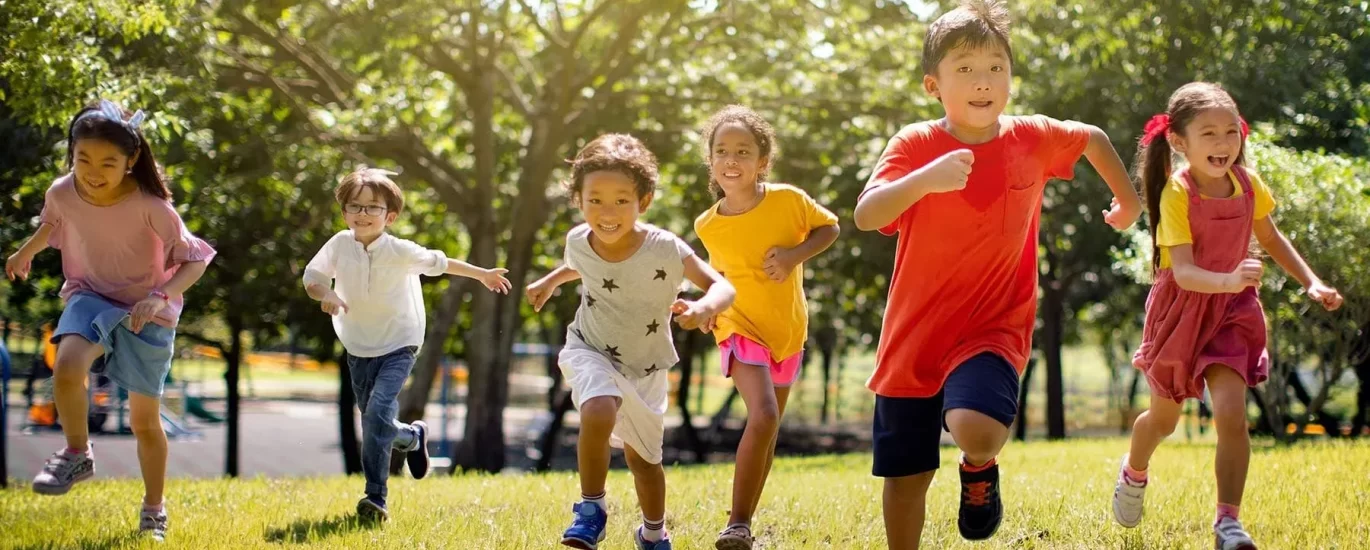
The integration of kinetic movement into international educational frameworks highlights a vital understanding of how physiological engagement drives cognitive and affective maturation. Dance-based learning in the Montessori method goes far beyond simple physical exercise; it acts as a primary channel for robust emotional expression and the cultivation of deep-seated confidence. When children are invited to explore the spatial dimensions of their environment through coordinated movement, they are simultaneously navigating their internal emotional landscapes. This dynamic fusion of physical activity and psychological exploration creates a unique avenue for cognitive advancement, allowing students to articulate complex feelings that might otherwise remain inaccessible through verbal communication alone. Through rhythmic exploration, the classroom becomes a dynamic theater of self-discovery.
Ultimately, the seamless integration of these performance skills within a child-centered environment empowers students to move through the world with grace, confidence, and profound emotional intelligence.Furthermore, dance inherently demands a high level of physical coordination, spatial awareness, and auditory processing, all of which are critical components of comprehensive emotional maturity. As children master new sequences of movement, they experience a palpable surge in self-esteem, realizing their own physical capabilities and the power of their presence within a shared space. The collaborative nature of group dance also cultivates essential social skills, requiring students to synchronize with their peers, respect physical boundaries, and engage in non-verbal communication.Modern Montessori methodologies recognize that physical autonomy is deeply connected to intellectual independence, making movement-based learning an essential facet of the daily routine. This embodied approach to learning ensures that unbound creativity is experienced not just intellectually, but physically, anchoring new concepts deep within the student’s muscular memory. By incorporating international dance forms into the curriculum, educators provide a rich tapestry of cultural exposure that broadens the students’ understanding of global traditions.
Furthermore, dance inherently demands a high level of physical coordination, spatial awareness, and auditory processing, all of which are critical components of comprehensive developmental milestones. The collaborative nature of group dance also cultivates essential social skills, requiring students to synchronize with their peers, respect physical boundaries, and engage in non-verbal communication.This embodied approach to learning ensures that imaginative exploration is experienced not just intellectually, but physically, anchoring new concepts deep within the student’s muscular memory. As developing minds master new sequences of movement, they experience a palpable surge in self-esteem, realizing their own physical capabilities and the power of their presence within a shared space. Ultimately, the seamless integration of these performance skills within a child-centered environment empowers students to move through the world with grace, confidence, and profound emotional intelligence.Modern Montessori methodologies recognize that physical autonomy is deeply connected to intellectual independence, making movement-based learning an essential facet of the daily routine. By incorporating international dance forms into the curriculum, educators provide a rich tapestry of cultural exposure that broadens the students’ understanding of global traditions.
Modern Montessori methodologies recognize that physical autonomy is deeply connected to intellectual independence, making movement-based learning an essential facet of the daily routine. As early learners master new sequences of movement, they experience a palpable surge in self-esteem, realizing their own physical capabilities and the power of their presence within a shared space. Furthermore, dance inherently demands a high level of physical coordination, spatial awareness, and auditory processing, all of which are critical components of comprehensive holistic child development. By incorporating international dance forms into the curriculum, educators provide a rich tapestry of cultural exposure that broadens the students’ understanding of global traditions. Ultimately, the seamless integration of these performance skills within a child-centered environment empowers students to move through the world with grace, confidence, and profound emotional intelligence.The collaborative nature of group dance also cultivates essential social skills, requiring students to synchronize with their peers, respect physical boundaries, and engage in non-verbal communication.This embodied approach to learning ensures that creative thinking is experienced not just intellectually, but physically, anchoring new concepts deep within the student’s muscular memory.
This embodied approach to learning ensures that unbound creativity is experienced not just intellectually, but physically, anchoring new concepts deep within the student’s muscular memory. The collaborative nature of group dance also cultivates essential social skills, requiring students to synchronize with their peers, respect physical boundaries, and engage in non-verbal communication. Ultimately, the seamless integration of these performance skills within a child-centered environment empowers students to move through the world with grace, confidence, and profound emotional intelligence.As young learners master new sequences of movement, they experience a palpable surge in self-esteem, realizing their own physical capabilities and the power of their presence within a shared space. Modern Montessori methodologies recognize that physical autonomy is deeply connected to intellectual independence, making movement-based learning an essential facet of the daily routine. Furthermore, dance inherently demands a high level of physical coordination, spatial awareness, and auditory processing, all of which are critical components of comprehensive developmental milestones. By incorporating international dance forms into the curriculum, educators provide a rich tapestry of cultural exposure that broadens the students’ understanding of global traditions.
By incorporating international dance forms into the curriculum, educators provide a rich tapestry of cultural exposure that broadens the students’ understanding of global traditions. Furthermore, dance inherently demands a high level of physical coordination, spatial awareness, and auditory processing, all of which are critical components of comprehensive personal growth. Modern Montessori methodologies recognize that physical autonomy is deeply connected to intellectual independence, making movement-based learning an essential facet of the daily routine. Ultimately, the seamless integration of these performance skills within a child-centered environment empowers students to move through the world with grace, confidence, and profound emotional intelligence.This embodied approach to learning ensures that artistic expression is experienced not just intellectually, but physically, anchoring new concepts deep within the student’s muscular memory. The collaborative nature of group dance also cultivates essential social skills, requiring students to synchronize with their peers, respect physical boundaries, and engage in non-verbal communication.As developing minds master new sequences of movement, they experience a palpable surge in self-esteem, realizing their own physical capabilities and the power of their presence within a shared space.
As students master new sequences of movement, they experience a palpable surge in self-esteem, realizing their own physical capabilities and the power of their presence within a shared space. This embodied approach to learning ensures that imaginative exploration is experienced not just intellectually, but physically, anchoring new concepts deep within the student’s muscular memory. By incorporating international dance forms into the curriculum, educators provide a rich tapestry of cultural exposure that broadens the students’ understanding of global traditions. The collaborative nature of group dance also cultivates essential social skills, requiring students to synchronize with their peers, respect physical boundaries, and engage in non-verbal communication. Ultimately, the seamless integration of these performance skills within a child-centered environment empowers students to move through the world with grace, confidence, and profound emotional intelligence.Modern Montessori methodologies recognize that physical autonomy is deeply connected to intellectual independence, making movement-based learning an essential facet of the daily routine. Furthermore, dance inherently demands a high level of physical coordination, spatial awareness, and auditory processing, all of which are critical components of comprehensive cognitive advancement.
As early learners master new sequences of movement, they experience a palpable surge in self-esteem, realizing their own physical capabilities and the power of their presence within a shared space. Modern Montessori methodologies recognize that physical autonomy is deeply connected to intellectual independence, making movement-based learning an essential facet of the daily routine. This embodied approach to learning ensures that creative thinking is experienced not just intellectually, but physically, anchoring new concepts deep within the student’s muscular memory. Furthermore, dance inherently demands a high level of physical coordination, spatial awareness, and auditory processing, all of which are critical components of comprehensive holistic child development. The collaborative nature of group dance also cultivates essential social skills, requiring students to synchronize with their peers, respect physical boundaries, and engage in non-verbal communication.By incorporating international dance forms into the curriculum, educators provide a rich tapestry of cultural exposure that broadens the students’ understanding of global traditions. Ultimately, the seamless integration of these performance skills within a child-centered environment empowers students to move through the world with grace, confidence, and profound emotional intelligence.
Furthermore, dance inherently demands a high level of physical coordination, spatial awareness, and auditory processing, all of which are critical components of comprehensive cognitive advancement. By incorporating international dance forms into the curriculum, educators provide a rich tapestry of cultural exposure that broadens the students’ understanding of global traditions. Modern Montessori methodologies recognize that physical autonomy is deeply connected to intellectual independence, making movement-based learning an essential facet of the daily routine. This embodied approach to learning ensures that innovative thought is experienced not just intellectually, but physically, anchoring new concepts deep within the student’s muscular memory. Ultimately, the seamless integration of these performance skills within a child-centered environment empowers students to move through the world with grace, confidence, and profound emotional intelligence.As students master new sequences of movement, they experience a palpable surge in self-esteem, realizing their own physical capabilities and the power of their presence within a shared space. The collaborative nature of group dance also cultivates essential social skills, requiring students to synchronize with their peers, respect physical boundaries, and engage in non-verbal communication.
As early learners master new sequences of movement, they experience a palpable surge in self-esteem, realizing their own physical capabilities and the power of their presence within a shared space. Furthermore, dance inherently demands a high level of physical coordination, spatial awareness, and auditory processing, all of which are critical components of comprehensive holistic child development. Modern Montessori methodologies recognize that physical autonomy is deeply connected to intellectual independence, making movement-based learning an essential facet of the daily routine. This embodied approach to learning ensures that innovative thought is experienced not just intellectually, but physically, anchoring new concepts deep within the student’s muscular memory. By incorporating international dance forms into the curriculum, educators provide a rich tapestry of cultural exposure that broadens the students’ understanding of global traditions. The collaborative nature of group dance also cultivates essential social skills, requiring students to synchronize with their peers, respect physical boundaries, and engage in non-verbal communication. Ultimately, the seamless integration of these performance skills within a child-centered environment empowers students to move through the world with grace, confidence, and profound emotional intelligence.
By incorporating international dance forms into the curriculum, educators provide a rich tapestry of cultural exposure that broadens the students’ understanding of global traditions. As young learners master new sequences of movement, they experience a palpable surge in self-esteem, realizing their own physical capabilities and the power of their presence within a shared space. The collaborative nature of group dance also cultivates essential social skills, requiring students to synchronize with their peers, respect physical boundaries, and engage in non-verbal communication.This embodied approach to learning ensures that innovative thought is experienced not just intellectually, but physically, anchoring new concepts deep within the student’s muscular memory. Ultimately, the seamless integration of these performance skills within a child-centered environment empowers students to move through the world with grace, confidence, and profound emotional intelligence.Modern Montessori methodologies recognize that physical autonomy is deeply connected to intellectual independence, making movement-based learning an essential facet of the daily routine. Furthermore, dance inherently demands a high level of physical coordination, spatial awareness, and auditory processing, all of which are critical components of comprehensive developmental milestones.
Ultimately, the seamless integration of these performance skills within a child-centered environment empowers students to move through the world with grace, confidence, and profound emotional intelligence.Modern Montessori methodologies recognize that physical autonomy is deeply connected to intellectual independence, making movement-based learning an essential facet of the daily routine. The collaborative nature of group dance also cultivates essential social skills, requiring students to synchronize with their peers, respect physical boundaries, and engage in non-verbal communication.Furthermore, dance inherently demands a high level of physical coordination, spatial awareness, and auditory processing, all of which are critical components of comprehensive personal growth. This embodied approach to learning ensures that creative thinking is experienced not just intellectually, but physically, anchoring new concepts deep within the student’s muscular memory. As children master new sequences of movement, they experience a palpable surge in self-esteem, realizing their own physical capabilities and the power of their presence within a shared space. By incorporating international dance forms into the curriculum, educators provide a rich tapestry of cultural exposure that broadens the students’ understanding of global traditions.
As children master new sequences of movement, they experience a palpable surge in self-esteem, realizing their own physical capabilities and the power of their presence within a shared space. The collaborative nature of group dance also cultivates essential social skills, requiring students to synchronize with their peers, respect physical boundaries, and engage in non-verbal communication.This embodied approach to learning ensures that creative thinking is experienced not just intellectually, but physically, anchoring new concepts deep within the student’s muscular memory. Ultimately, the seamless integration of these performance skills within a child-centered environment empowers students to move through the world with grace, confidence, and profound emotional intelligence.Modern Montessori methodologies recognize that physical autonomy is deeply connected to intellectual independence, making movement-based learning an essential facet of the daily routine. By incorporating international dance forms into the curriculum, educators provide a rich tapestry of cultural exposure that broadens the students’ understanding of global traditions. Furthermore, dance inherently demands a high level of physical coordination, spatial awareness, and auditory processing, all of which are critical components of comprehensive holistic child development.
As students master new sequences of movement, they experience a palpable surge in self-esteem, realizing their own physical capabilities and the power of their presence within a shared space. This embodied approach to learning ensures that artistic expression is experienced not just intellectually, but physically, anchoring new concepts deep within the student’s muscular memory. Modern Montessori methodologies recognize that physical autonomy is deeply connected to intellectual independence, making movement-based learning an essential facet of the daily routine. Ultimately, the seamless integration of these performance skills within a child-centered environment empowers students to move through the world with grace, confidence, and profound emotional intelligence.By incorporating international dance forms into the curriculum, educators provide a rich tapestry of cultural exposure that broadens the students’ understanding of global traditions. Furthermore, dance inherently demands a high level of physical coordination, spatial awareness, and auditory processing, all of which are critical components of comprehensive cognitive advancement. The collaborative nature of group dance also cultivates essential social skills, requiring students to synchronize with their peers, respect physical boundaries, and engage in non-verbal communication.
Ultimately, the seamless integration of these performance skills within a child-centered environment empowers students to move through the world with grace, confidence, and profound emotional intelligence.As developing minds master new sequences of movement, they experience a palpable surge in self-esteem, realizing their own physical capabilities and the power of their presence within a shared space. This embodied approach to learning ensures that artistic expression is experienced not just intellectually, but physically, anchoring new concepts deep within the student’s muscular memory. By incorporating international dance forms into the curriculum, educators provide a rich tapestry of cultural exposure that broadens the students’ understanding of global traditions. The collaborative nature of group dance also cultivates essential social skills, requiring students to synchronize with their peers, respect physical boundaries, and engage in non-verbal communication.Furthermore, dance inherently demands a high level of physical coordination, spatial awareness, and auditory processing, all of which are critical components of comprehensive holistic child development. Modern Montessori methodologies recognize that physical autonomy is deeply connected to intellectual independence, making movement-based learning an essential facet of the daily routine.
By incorporating international dance forms into the curriculum, educators provide a rich tapestry of cultural exposure that broadens the students’ understanding of global traditions. Ultimately, the seamless integration of these performance skills within a child-centered environment empowers students to move through the world with grace, confidence, and profound emotional intelligence.Furthermore, dance inherently demands a high level of physical coordination, spatial awareness, and auditory processing, all of which are critical components of comprehensive developmental milestones. The collaborative nature of group dance also cultivates essential social skills, requiring students to synchronize with their peers, respect physical boundaries, and engage in non-verbal communication.This embodied approach to learning ensures that creative thinking is experienced not just intellectually, but physically, anchoring new concepts deep within the student’s muscular memory. Modern Montessori methodologies recognize that physical autonomy is deeply connected to intellectual independence, making movement-based learning an essential facet of the daily routine. As young learners master new sequences of movement, they experience a palpable surge in self-esteem, realizing their own physical capabilities and the power of their presence within a shared space.


