
Dr. Maria Montessori famously stated that “Establishing lasting peace is the work of education; all politics can do is keep us out of war.” This profound statement elevates peace education from a mere optional subject to the core purpose of the Montessori method. In an international teacher training course, Peace Education is not taught in isolation but is intricately woven into the fabric of the daily classroom environment and every curriculum area. For the international educator, this integration is vital, as they are tasked with cultivating citizens who can navigate the complexities of global co-existence with empathy, respect, and a commitment to non-violent conflict resolution. The key principles taught are practical, psychological, and global in scope.
From Inner Peace to Global Harmony
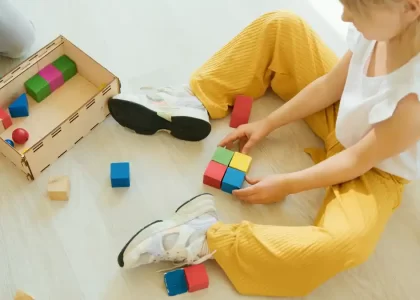
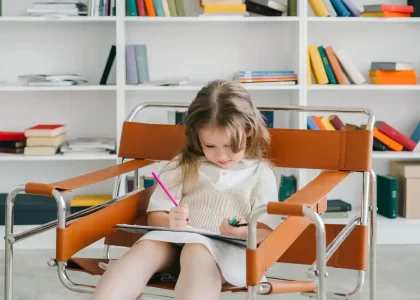
The first principle is the concept of Peace Through Normalization. The training teaches that the root of external conflict often lies in internal disorder and psychological frustration. The prepared environment, with its focus on freedom, purposeful work, and deep concentration, is designed to facilitate the child’s “normalization”—a state of inner calm, self-discipline, and psychological health. When a child is absorbed in meaningful work, they are not engaged in disruptive conflict. Therefore, the teacher’s primary act of peace education is the vigilant maintenance of the prepared environment and the protection of the work cycle. The teacher is trained to see their role as removing obstacles to the child’s inner development, thus establishing inner peace as the foundation for all social harmony.
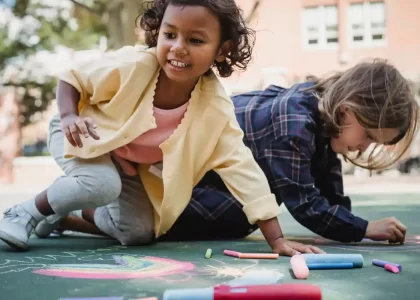
Secondly, the training emphasizes Grace and Courtesy as the practical social curriculum for peace. These are not abstract concepts but explicit, practical lessons taught through role-playing and modeling. Children learn the specific, polite forms for interrupting, asking for help, observing another’s work, and handling everyday social situations. In the international classroom, this is especially important, as cultural norms for politeness can vary widely. The teacher is trained to establish a universal code of respectful interaction that is consistently applied, giving all children the tools to navigate social life successfully and resolve minor conflicts respectfully. The grace and courtesy lessons create the social glue that allows a mixed-age, diverse community to function peacefully.
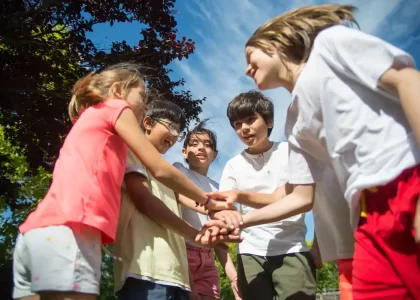
A third major component, particularly at the Elementary level (6-12), is Cosmic Education and Interdependence. The Great Lessons—telling the story of the universe, the earth, and life—are presented to foster a sense of awe, gratitude, and interconnectedness. By studying the vastness of history and the dependence of all life forms on one another, the children develop a global consciousness and an understanding that all human endeavors are interrelated. The teacher is trained to use this curriculum to highlight the historical contributions of all cultures and the universal need for collaboration, showing that conflict is antithetical to the very structure of the cosmos. This education for peace transcends national boundaries, preparing children to be citizens of the world who understand that their moral obligation extends to all humanity. The incorporation of a dedicated Peace Table, where children can go to solve conflicts using concrete tools like a timer and a talking stick, is a practical strategy learned in training, ensuring that the philosophy of peace is translated into an actionable, daily practice in the international classroom.