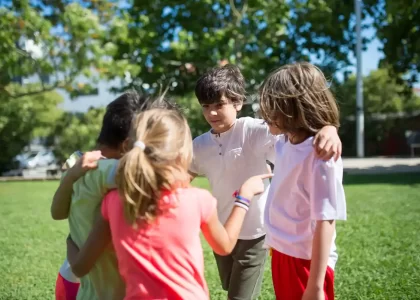

In an era dominated by screens and structured indoor activities, the call to return to nature has never been more urgent. Montessori Nature Education answers this call by placing the natural world at the forefront of the child’s learning experience. Dr. Maria Montessori believed that nature was not just a backdrop for play but a powerful teacher in its own right. From the youngest toddler exploring the texture of a leaf to the elementary student conducting a botanical survey, interaction with the natural world is essential for holistic development. This approach goes beyond simple outdoor play; it is an intentional integration of Environmental Awareness Education into the daily life of the child. By engaging with nature, children develop a robust scientific mind, a strong healthy body, and a deep-seated ethic of stewardship for the planet. Nature-Based Learning Benefits are vast, influencing everything from stress reduction and physical health to cognitive flexibility and creativity.
The Role of the Outdoor Classroom
Conceptually, the Montessori classroom extends far beyond its four walls into the garden, the playground, and the surrounding woods. The outdoor classroom serves as a dynamic laboratory for Scientific Inquiry Skills and observation. Here, children are not passive recipients of information about nature; they are active participants in its cycles. They plant seeds and watch them grow, learning about biology, patience, and the conditions necessary for life. They collect fallen leaves and classify them, sharpening their powers of discrimination and classification. This direct engagement with the living world fosters a deep respect for Life Skills Education and an understanding of interdependence. Unlike the static materials inside, the outdoor environment is constantly changing—the weather shifts, the seasons turn, insects migrate—and these changes provide endless opportunities for Wonder and Curiosity. Navigating uneven terrain, climbing trees, and balancing on logs challenge the child’s Gross Motor Skills and vestibular systems in ways that standardized playground equipment cannot. This kind of active play is crucial for physical development and sensory integration. The freedom to move, run, and shout in nature allows children to expend energy and regulate their bodies, leading to improved focus and concentration when they return indoors.
Sensory Engagement with the Natural World
Nature is the ultimate sensorial environment, offering a rich tapestry of smells, textures, sounds, and sights that no manufactured material can replicate. Sensory Learning and Development are profoundly activated in a natural setting. The feel of rough bark, the smell of damp earth, the sound of wind in the trees, and the sight of a myriad of greens all provide intense stimulation for the developing brain. This multi-sensory input is vital for Brain Development in Early Childhood, strengthening neural connections and fostering language development as children seek to describe their experiences. Furthermore, nature acts as a natural buffer against stress. Studies have shown that time spent in green spaces lowers cortisol levels and reduces anxiety in children. In a Montessori setting, this translates to greater emotional regulation and peace. The quiet, awe-inspiring aspects of nature—from the intricate pattern of a spiderweb to the vastness of the sky—nurture the child’s spirit and encourage Mindfulness Practices. Children learn to be still and to observe deeply, skills that are the foundation of Attention and Concentration Building. This sensory-rich, calming environment allows children to recharge and reconnect with themselves, fostering a sense of inner peace and resilience.
Fostering Stewardship and Environmental Awareness
Ultimately, the goal of Montessori Nature Education is to raise citizens who care deeply for the earth. Through direct experience with the natural world, children develop a personal relationship with the environment. They learn that their actions have consequences—watering a plant helps it grow; picking a flower prevents it from seeding. These lessons in cause and effect are the beginnings of Sustainability Education. By caring for classroom pets, maintaining a compost bin, or tending to a garden, children learn responsibility and empathy for living things. This hands-on care is far more impactful than abstract lectures about recycling. It builds a character rooted in respect and Gratitude. As children grow, their early experiences with nature transform into a sophisticated understanding of ecological systems and global issues. They are equipped with the knowledge and the passion to become advocates for the planet. This connection to nature also fosters Cultural Awareness and Global Citizenship, as they learn about different climates, habitats, and the interconnectedness of all life. By growing up with a foot in the natural world, Montessori students develop not only a sharp scientific mind but also a compassionate heart, ready to lead the way toward a more sustainable and harmonious future.