
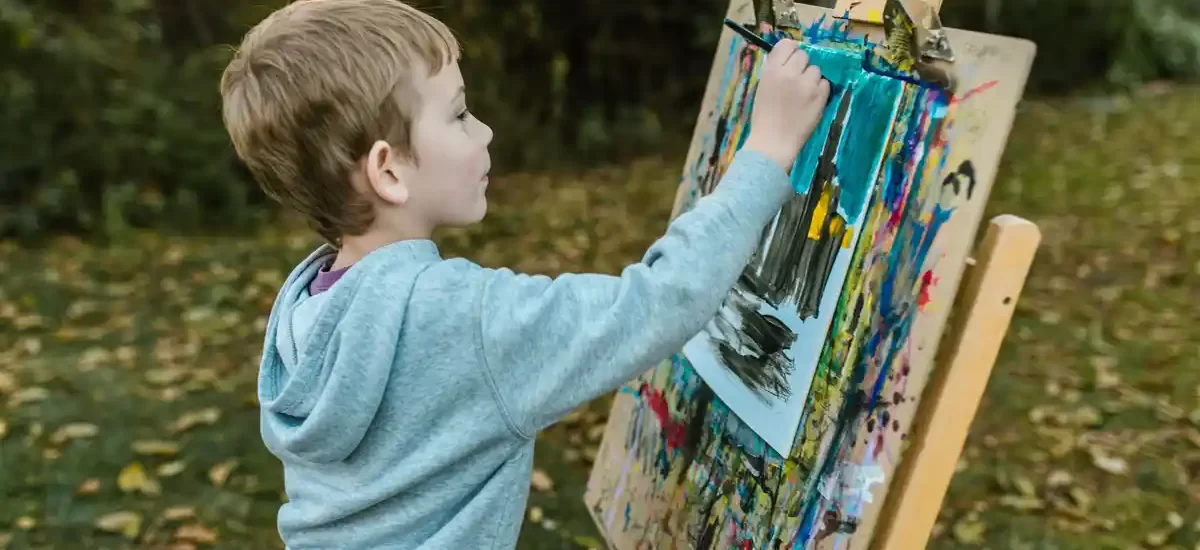
In an increasingly urbanized and digital world, the disconnect between children and nature has become a growing concern. However, the benefits of reconnecting children with the outdoors are profound and multifaceted, impacting their physical, emotional, and cognitive development. Nature-based learning is not simply about taking the classroom outside; it is about immersing children in an environment where the lessons are infinite and dynamic. In a natural setting, the teacher is the environment itself, offering rich sensory experiences that no man-made material can replicate. The wind, the changing light, the texture of bark, and the sound of rustling leaves all contribute to a sensory banquet that stimulates the brain and calms the nervous system. This type of environmental awareness education is essential for holistic growth. It provides a space where children can move freely, explore boundaries, and engage with the living world. This connection to nature is instinctual, often referred to as “biophilia,” and nurturing it is crucial for raising healthy, well-balanced individuals who feel a sense of belonging to the larger ecosystem.
Enhancing Physical Gross Motor Skills in Outdoor Settings
The natural world is an unparalleled gym for developing gross motor skills. Unlike the flat, predictable surfaces of indoor flooring, outdoor terrain presents a variety of challenges. Walking on uneven ground, climbing over rocks, balancing on logs, and navigating hills require the constant engagement of the core muscles and the proprioceptive system. These activities help children develop balance, coordination, strength, and agility in a way that structured indoor play often cannot. When a child climbs a tree, they are assessing risk, calculating their movements, and building upper body strength simultaneously. When they run across a field, they are developing cardiovascular endurance and spatial awareness. This kind of physical development is foundational for all other learning. A strong body supports a strong mind. Furthermore, the freedom to move vigorously in a large space allows children to burn off excess energy, which in turn improves their ability to focus and concentrate when they return to indoor tasks. Nature-based learning promotes a healthy lifestyle and an appreciation for physical activity, combating the sedentary habits that are becoming increasingly common in childhood. It teaches children to respect their bodies and understand their physical capabilities within the context of the environment.
Nature Education as a Pathway to Emotional Regulation
Beyond the physical benefits, nature plays a critical role in emotional intelligence development and self-regulation. Research has shown that spending time in nature reduces cortisol levels, the hormone associated with stress. The natural environment has a restorative effect on the brain, alleviating mental fatigue and anxiety. For children who may struggle with overstimulation in a busy classroom, the outdoors offers a sanctuary where they can find peace and calm. The slow pace of natural processes—watching a cloud move or a flower open—teaches patience and mindfulness. Children learn to observe without needing to control, which is a powerful lesson in letting go. In nature, children often engage in “loose parts play,” using sticks, stones, and leaves to create their own games. This fosters creativity and imaginative play, providing an outlet for emotional expression. It also offers a space for conflict resolution skills practice, as children negotiate rules and collaborate on building forts or dams. The vastness of nature can also provide a sense of perspective, helping children manage their emotions by placing their small worries within the context of the larger, enduring natural world. This emotional grounding is essential for building resilience and adaptability.
Fostering Environmental Awareness and Global Citizenship
Finally, nature-based learning is the most effective way to instill a sense of environmental stewardship and global citizenship. You cannot protect what you do not love, and you cannot love what you do not know. By spending time in nature, children develop a personal relationship with the planet. They witness the changing seasons, the habitat requirements of insects, and the interdependence of living things. They begin to understand that they are part of a web of life. This understanding naturally evolves into a sense of responsibility. Montessori education emphasizes cultural education and peace education, and the environment is a key component of this curriculum. Children learn that their actions have an impact on the world around them. They engage in gardening activities, learning where their food comes from and the effort required to grow it. They participate in recycling and composting, understanding the cycle of resources. These hands-on experiences teach them the value of sustainability education. They grow up to be adults who make conscious choices to protect the environment because they have a deep, experiential understanding of its value. This creates a generation of global citizens who are committed to creating a more sustainable and peaceful world, honoring the interconnectedness of all people and the planet.


