
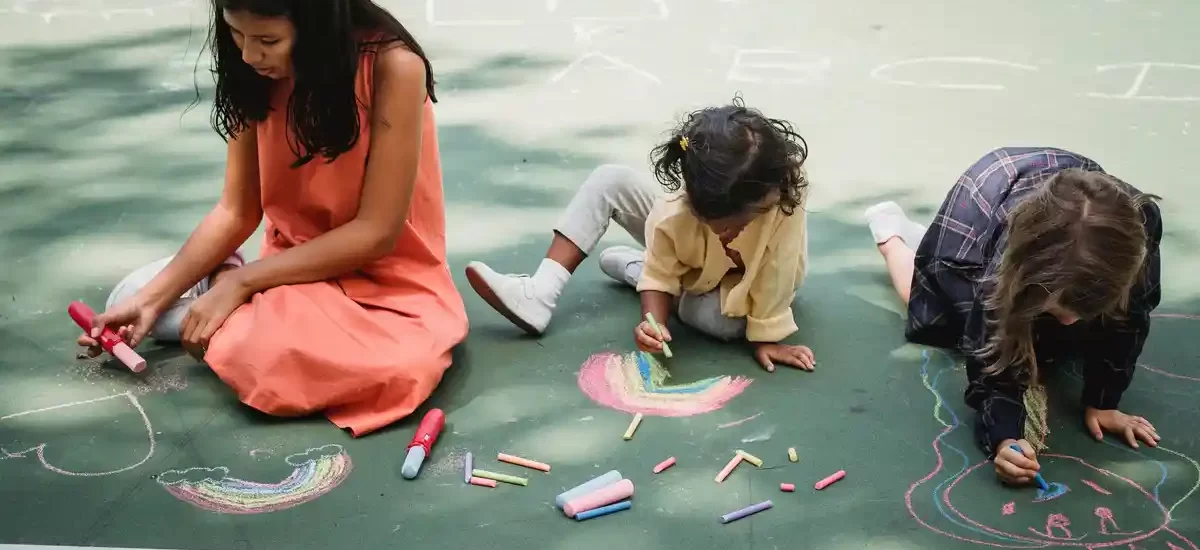
In the bustling environment of a Montessori classroom, one often observes children deeply engaged in activities that adults might consider mundane—pouring water, polishing shoes, or buttoning a frame. These are not mere chores; they are the cornerstone of the Practical Life curriculum, which serves as the foundation for all subsequent learning. The primary objective of these activities is to foster independence, a trait that is essential for the development of a child’s self-esteem and autonomy. When a child is allowed to perform tasks that they see adults doing, their sense of self-worth is bolstered. They realize that they are capable of contributing to their community and caring for themselves. This realization is the first step towards self-regulation and self-control, as the child learns to manage their own movements and impulses to achieve a specific goal. The drive for independence is innate, observed from the moment a child tries to walk or feed themselves, and the Montessori environment is meticulously designed to nurture this drive by providing the right tools and opportunities for them to succeed on their own terms.
Building Fine Motor Skills Through Daily Routines
The connection between Practical Life activities and the refinement of fine motor skills is profound and scientifically significant. Young children are in a critical period of development where their brains are rapidly forming connections based on their physical interactions with the environment. Activities such as transferring beans with a spoon, using droppers to move water, or lacing cards require a high degree of precision and coordination. These repetitive movements help to strengthen the small muscles in the hand and wrist, which are crucial for later academic tasks such as holding a pencil and writing. Unlike traditional toys that may be used for a short period of amusement, Practical Life materials call for sustained attention and manipulation. The child must learn to apply just the right amount of pressure, coordinate their hand-eye movements, and refine their grip. This direct, hands-on learning experience ensures that the child is not merely memorizing an action but is internalizing the physical control necessary for complex motor operations. Furthermore, the focus on isolated movements helps in the development of concentration, as the child must block out external distractions to successfully navigate the delicate nature of the task at hand.
The Connection Between Practical Life and Executive Function
Beyond the physical benefits, Practical Life exercises are instrumental in the development of executive function, a set of mental skills that include working memory, flexible thinking, and self-control. Many of these activities involve multi-step processes that require the child to plan, organize, and sequence their actions. For instance, setting a table requires the child to determine how many places are needed, retrieve the correct number of utensils, and arrange them in a specific order. This engages the brain’s prefrontal cortex, which is responsible for decision-making skills development. The child must analyze the task, break it down into manageable parts, and execute them in a logical sequence. If a step is missed or an error is made, the materials often provide a control of error, allowing the child to self-correct without adult intervention. This feedback loop is vital for developing problem-solving skills in children, as it encourages them to identify mistakes and formulate a strategy to fix them independently. Through these daily routines, children learn that actions have consequences and that they have the agency to change outcomes, thereby building resilience and adaptability.
Cultivating Concentration and Order in the Environment
One of the most striking outcomes of the Practical Life curriculum is the deep concentration that children achieve while working with these materials. In a world that is increasingly fast-paced and filled with digital distractions, the ability to focus on a single task for an extended period is a valuable skill that serves as a predictor of future academic success. The cycle of activity in Montessori education—choosing a work, completing it, and returning it to its place—instills a sense of order and discipline. This order is not just about tidying up; it is about creating an internal mental structure that helps children navigate their world. When a child knows where materials belong and understands the expectations of the environment, they feel secure and are better able to engage in deep learning. This focus on attention and concentration building allows the child to enter a state of flow, where the challenge of the task matches their skill level. In this state, anxiety is reduced, and the joy of learning is amplified. By mastering their environment through ordered activity, children develop a grounded sense of confidence and self-esteem development that propels them toward more complex challenges in mathematics, language, and cultural studies.


