Language acquisition is perhaps one of the most miraculous and complex feats of human development, a process that begins before birth and accelerates with astonishing speed during the first six years of life. In the realm of education, understanding how to support and nurture this natural unfolding is paramount. The child possesses a unique, transitory mental power that Dr. Maria Montessori termed the “absorbent mind,” allowing them to soak up the nuances of their native tongue—or multiple tongues—without formal instruction. This capacity is not merely about memorizing vocabulary; it is about constructing the very architecture of communication and thought. To truly support Language Development, educators and parents must recognize that the child is constructing themselves through language. Every word they hear, every conversation they witness, and every song they listen to is a building block in their understanding of the world. Therefore, the environment must be rich with precise, articulate, and meaningful language. This means avoiding “baby talk” and instead speaking to children with respect and clarity, offering them the correct terminology for objects and actions from the very beginning.
The Sensitive Period for Language Acquisition
From birth to approximately age six, the child passes through a critical window known as the Sensitive Period for Language. During this time, the brain is uniquely primed to discriminate between phonemes, the distinct units of sound that make up words. A young infant can hear the difference between every sound in every language, a skill that gradually fades as they specialize in their native tongue. This biological imperative highlights the importance of Early Childhood Brain Development in relation to auditory input. Surrounding the child with a variety of linguistic sounds—through conversation, reading, and singing—capitalizes on this fleeting opportunity. It is during this phase that the foundations of grammar and syntax are internalized unconsciously. The child does not need to be taught the rules of language; they absorb them by being immersed in a language-rich community. This unconscious absorption requires active participation from adults. We must serve as models of articulate speech, narrating our daily activities and describing the environment to help the child bridge the gap between objects and their names.
This period of intense linguistic absorption is also the optimal time for Multilingual Learning Benefits. Because the child’s mind is not yet rigidly fixed, they can acquire two or three languages as effortlessly as one, provided they are exposed to them in consistent contexts. The “one person, one language” strategy is often employed in bilingual homes or schools to help the child associate specific languages with specific people or environments. Supporting Language Acquisition Strategies in these early years involves a commitment to consistency and exposure. It is not about drilling vocabulary lists, but rather about creating a cultural milieu where language is a tool for connection and joy. Reading aloud plays a pivotal role here. Picture books provide a visual anchor for words, expanding the child’s vocabulary beyond their immediate physical surroundings. The rhythmic, repetitive nature of many children’s books reinforces the patterns of language, making the predictability of syntax enjoyable and memorable. Through stories, children learn the structure of narrative, the expression of emotion, and the power of imagination, all of which are crucial components of literacy.
Pathways to Literacy Through Sensorial Experiences
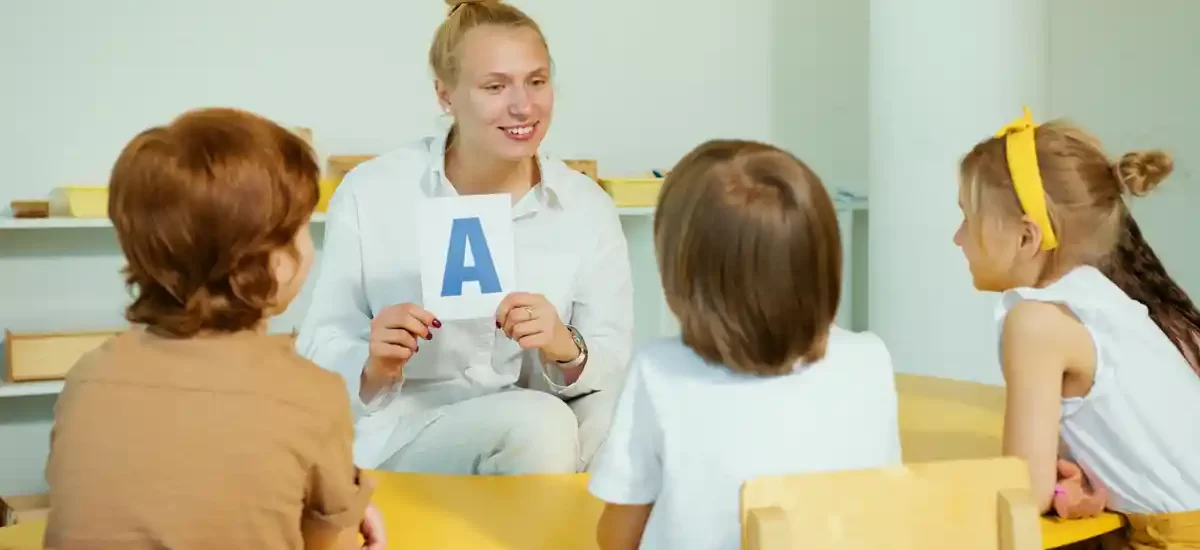
The transition from spoken language to written language should be a natural progression, grounded in the child’s sensory experiences. Literacy Development Insights suggest that writing often precedes reading in the young child, as writing is an expression of one’s own thoughts, whereas reading is the interpretation of another’s. To facilitate this, we utilize tools that make the abstract concept of language concrete. For example, tracing sandpaper letters allows the child to feel the shape of the letter while hearing its sound. This multisensory approach connects the tactile, muscular, and auditory centers of the brain, creating a strong memory trace. The child is not just looking at a symbol; they are experiencing it physically. This kinesthetic engagement is vital for Fine Motor Skill Development, as it strengthens the hand muscles and prepares the child for the mechanics of holding a pencil. Through these tactile experiences, the symbols become familiar friends rather than confusing abstract codes.
As the child begins to recognize that words are made up of sounds, and sounds are represented by symbols, they experience a sudden explosion into writing. This is a moment of profound joy and discovery. Once they understand the mechanism of the alphabet, they can write anything they can say. This realization empowers the child and boosts their Confidence and Self-Esteem Development. It transforms them from passive recipients of information to active communicators. Following the explosion into writing, the child naturally begins to read. Because they have built the words themselves, letter by letter and sound by sound, they possess a deep understanding of the phonetic structure of language. This approach stands in stark contrast to methods that rely solely on memorizing sight words. While whole-word recognition has its place, understanding the mechanics of phonics gives the child the keys to unlock any unknown word. This fosters Independent Learning Skills, as the child no longer needs an adult to decode text for them. They possess the tools to tackle new challenges with autonomy.
The Role of Narrative and Oral Tradition
While the mechanics of reading and writing are essential, the ultimate goal of language education is communication and connection. This is where the art of storytelling and the oral tradition come into play. Storytelling is not just a form of entertainment; it is a sophisticated educational tool that enhances vocabulary, comprehension, and social understanding. When a teacher tells a story without a book, making eye contact with the children, the connection is palpable. The children must listen intently to visualize the scenes and follow the plot, which actively builds their Auditory Processing and Attention and Concentration Building. Stories provide a safe space for children to explore complex emotions and moral dilemmas. Through the characters in a story, children learn about empathy, courage, conflict, and resolution. They see themselves reflected in the struggles and triumphs of the protagonists, which aids in their Social-Emotional Learning.
Furthermore, encouraging children to tell their own stories is a powerful way to develop their command of language. When a child narrates an event or invents a story, they must organize their thoughts sequentially, choose the right words to convey meaning, and maintain the listener’s interest. This practice is invaluable for Cognitive Development in Young Learners. It requires them to hold information in their working memory and manipulate it to form a coherent narrative. We can support this by asking open-ended questions that require more than a yes or no answer. “What happened next?” or “How did the bear feel when he lost his hat?” prompts the child to expand their thinking and their expression. Poetry and songs also contribute to this linguistic landscape. The rhymes and rhythms help children predict the flow of language and experiment with the sounds of words in a playful way. This playfulness is the essence of Creative Thinking Enhancement. It allows the child to manipulate language, invent new words, and appreciate the aesthetic beauty of expression. By valuing the child’s voice and providing them with a rich, varied, and respectful linguistic environment, we lay the foundation not just for academic success, but for a lifetime of articulate communication and deep connection with others.