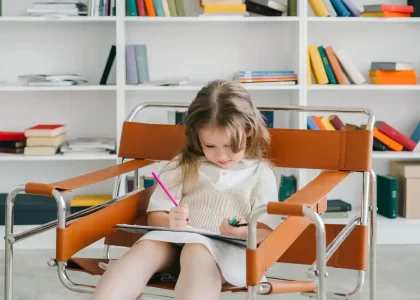
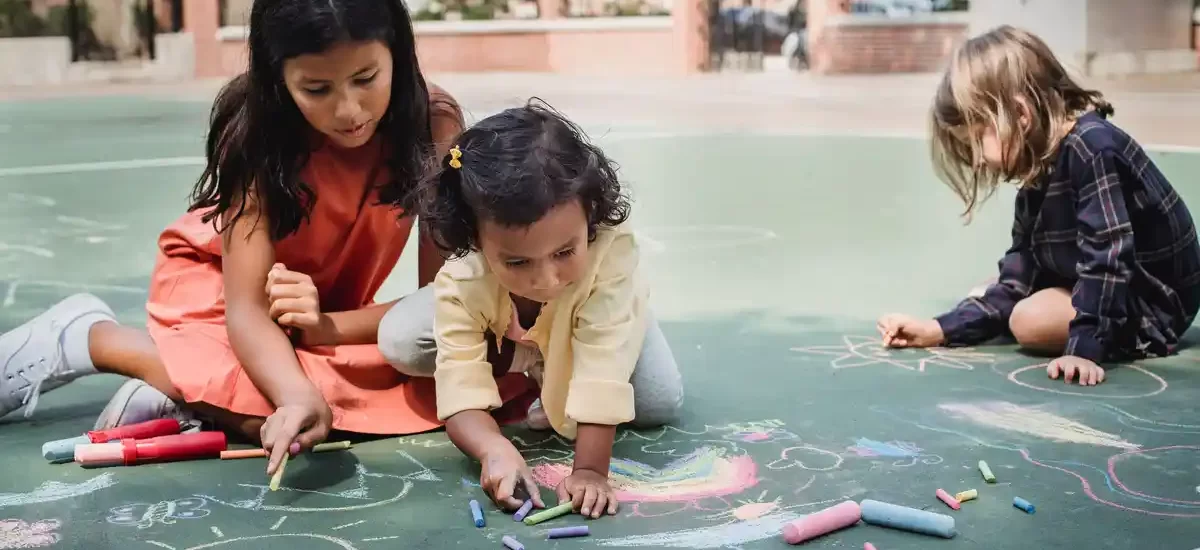
The fundamental philosophy underlying Montessori early childhood education rests on the profound belief that children are naturally driven towards autonomy. When we observe child development milestones in the first six years of life, we witness a relentless drive to “do it myself.” This is not merely a behavioral preference but a biological imperative linked to early childhood brain development. In a Montessori environment, this innate drive is not stifled by unnecessary adult intervention but rather channeled through a carefully prepared environment that scaffolds the child’s journey toward self-sufficiency. By prioritizing independent learning skills, educators allow the child to construct their own personality and intellect through active engagement with their surroundings, thereby laying the groundwork for a lifetime of self-confidence and competence.
The Role of the Prepared Environment in Nurturing Autonomy
Central to the cultivation of independence is the concept of the prepared environment, a space meticulously designed to align with the child’s physical proportions and psychological needs. Every piece of furniture, every material on the shelf, and every layout decision is intentional, allowing the child to access and utilize resources without adult assistance. This design philosophy directly supports executive function development by requiring the child to plan, initiate, and complete sequences of activity. For instance, when a child selects a work, carries it to a table, engages with it, and then returns it to its designated spot, they are practicing complex decision-making skills and impulse control. These seemingly small acts are actually monumental cognitive feats that reinforce the child’s capacity to manage their own actions and environment. The predictability and order of the classroom reduce external distractions, fostering deep attention and concentration building, which are prerequisites for independent thought and action.
Furthermore, the prepared environment eliminates the traditional barriers between the child and the tools of learning. In conventional settings, materials are often locked away or distributed by a teacher, creating a dynamic of dependency. In contrast, the Montessori classroom places the power of choice directly in the hands of the child. This freedom within limits is crucial for character education; the child learns that their choices have consequences and that they are capable of navigating their social and physical world with grace. By trusting the child to make appropriate choices regarding their activity, educators validate the child’s agency, which in turn boosts their self-esteem and motivation. The environment speaks to the child, inviting them to explore and manipulate, turning the learning process into a self-directed adventure rather than a series of imposed tasks.
Practical Life Activities as the Foundation of Capability
The Practical Life curriculum serves as the cornerstone of independence in the Montessori early childhood program. These activities, which include tasks such as pouring, spooning, buttoning, and washing, might appear mundane to an adult observer, but they are transformative for the developing child. Through the repetition of these exercises, children refine their fine motor skill development and gross motor skill development, gaining the physical coordination necessary to care for themselves and their surroundings. More importantly, Practical Life activities provide a fertile ground for problem-solving skills in children. When a child spills water while pouring, they are not scolded but are instead shown how to clean it up. This process teaches resilience and adaptability building, demonstrating that mistakes are opportunities for learning rather than failures to be feared.
Engaging in these purposeful activities also fosters a sense of belonging and contribution to the community. When a child polishes a shelf or prepares a snack for a peer, they realize that they are valued members of the classroom society. This realization is a powerful driver for social-emotional learning and emotional intelligence. The child learns empathy and responsibility by caring for their shared space and the people within it. The focus on the process rather than the product helps the child develop intrinsic motivation, performing the task for the satisfaction of mastery itself rather than for external reward or praise. This internal drive is the essence of independent learning, fueling the child’s desire to explore more complex challenges and take ownership of their educational journey. By mastering the mechanics of daily life, the child frees up mental energy to focus on higher cognitive pursuits, proving that the cultivation of independence is not an end in itself but a gateway to holistic development.
Emotional Regulation and Social Independence
True independence extends beyond physical capabilities to encompass emotional and social self-regulation. In a Montessori classroom, children are guided to develop conflict resolution skills and self-regulation and self-control from a young age. Because the classroom is a multi-age community, younger children observe older peers modeling sophisticated social interactions and emotional management. This peer learning dynamic is often more effective than adult instruction, as children are naturally wired to learn through observation and imitation of their equals. When disputes arise over materials or space, the teacher acts not as a judge but as a mediator, coaching the children to use their words, listen to each other’s perspectives, and arrive at a mutually agreeable solution. This practice is essential for developing emotional intelligence and effective communication skills.
This emphasis on social autonomy empowers children to navigate interpersonal complexities without constant adult arbitration. They learn to respect boundaries, assert their needs respectfully, and collaborate with others to achieve common goals. These are the hallmarks of leadership development for children, practiced on a small scale within the microcosm of the classroom. By internalizing these social norms and conflict resolution strategies, the child develops a strong sense of self and a secure attachment to their community. This security allows them to take risks, experiment with new ideas, and engage fully with the learning materials, knowing that they are supported yet not controlled. Ultimately, the Montessori approach to early childhood education recognizes that a truly independent child is one who is not only capable of caring for their physical needs but is also emotionally grounded, socially competent, and intellectually curious, ready to engage with the world as a confident and capable global citizen.